Year: 2015
An American’s Plea
I’m actually embarrassed at how long it’s been since I’ve posted, especially about my loves. In my defense, in the past five weeks, I’ve left one job, started another, traveled to Europe two separate times, and flown domestically twice. On top of that, I’ve offered a workshop to train first responders on how to effectively respond to calls that involve dementia patients (newspaper article pictured below!). To say it’s been a crazy month is an understatement.
This afternoon, I attended a networking event for colleagues in the eldercare field. One conversation stuck with me most, as it touched upon something that’s been on my mind for quite some time – probably since I returned home from my first volunteer trip to Italy in 2012! A gentleman I chatted with shared his ideas and hopes to change the face of in-home care. He is striving to recruit caregivers of a higher “quality” or skill level, and to compensate them accordingly. To give you some insight (though it’s no secret): caregivers are often foreigners who have obtained either (or both) a certified nursing assistant (CNA) or certified home health aide (CHHA) license. Their pay varies, but in general it pales in comparison to the work they actually do. I swear to you, they’re superhuman. They should all be canonized as saints.
Obviously, I’m all for better training and higher wages – no one is more deserving. However, I couldn’t help but feel sad for this man as he so passionately shared his dreams with me. The issue doesn’t lie within our pool of caregivers themselves. Are some more qualified and compassionate than others? Of course, as is the case in any profession. But it’s not them; it’s us. We’re the ones who need the face-lift. Our culture needs the education, and our mindsets a makeover.
In other countries, senior citizens are worshiped. Their wisdom is celebrated and their knowledge embraced. The terms “grandma” and “old man” are endearing, not degrading, and seniors are the heads of families whose guidance is sought out. I can vouch that Italians in particular adore their elders. To care for them is a privilege – a service that is rewarding in every sense of the word.
Here? We dread growing old and conceal any signs. We talk TO nonnas like children and ABOUT them in their presence, blatantly as though they can’t understand. When one’s health and cognition decline, they’re an issue that must be dealt with. They’re a family meeting whose fate is argued amongst siblings. They are time consuming and aggravating, their condition an embarrassment. Dignity and patience are neither preserved nor expected. This is our norm, and it is absolutely heartbreaking; no wonder we seek immigrants to care for our seniors.
I’m an American, so I’m not pointing fingers; everyone’s guilty and we’re all at fault. These outlooks are learned and these behaviors are modeled. I beg you, per favore, let’s end them here. Let’s challenge the norm and remodel our mentality. At the risk of sounding cliché, let’s be the change we wish to see in the world. Believe me, you’ll beg for that change when you’re in their shoes.

My Grandmother Was My Age
Despite last Thursday’s snow, ice, and horrifying plane-skidding incident at LaGuardia, we made it to Poland (almost) on schedule! We were a little delayed, but the four of us were happy to have dinner at our favorite EWR restaurant: terminal B’s McGinley’s Pub <3. We all slept most of the 8½ hour flight before arriving in Munich, where we’d missed our earlier connection but hopped on another a little while later.
Krakow, our final destination, blew me away. We landed and made it to our apartment by around 5PM on Friday, just in time to galavant around the city before sunset. Its center is spotless and incredibly charming; to me, it felt like a mix of Verona and Vienna, though inevitably laced with a more Eastern European don’t-bother-asking-anyone-for-help feel. We fell in love instantly.
The main purpose of the trip was to tour nearby concentration camps and ghettos. Chrissy and Briana are WWII buffs, and Les and I took a Holocaust class as juniors at the Mount. We’ve kept an eye on flights to Krakow for years but have never been able to find anything for under $950 or so. Warsaw is occasionally cheaper, but it’s much farther from Auschwitz and therefore wouldn’t make sense for our short weekend trips. By some act of God, however – and by “act of God” I mean a miracle called “Cyber Monday” – I unexpectedly came across flights for ~$600! I called Briana immediately (which is obviously indicative of some sort of crisis or emergency since I hate the phone), and we booked it on the spot, no hesitation. Les and Chrissy quickly followed suit. Is this what addiction feels like?! The rush of clicking “confirm booking” is undoubtedly like no other. 😉
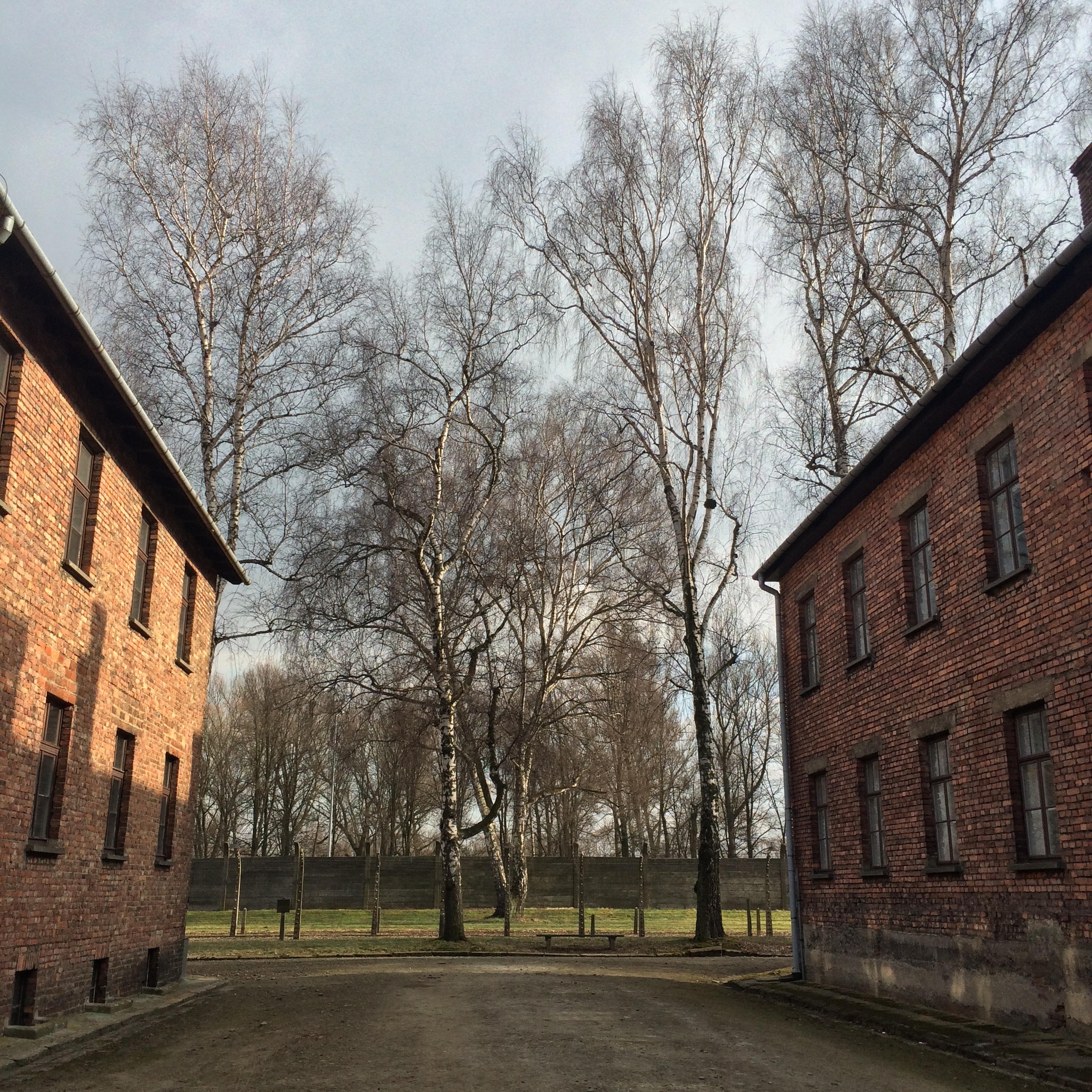
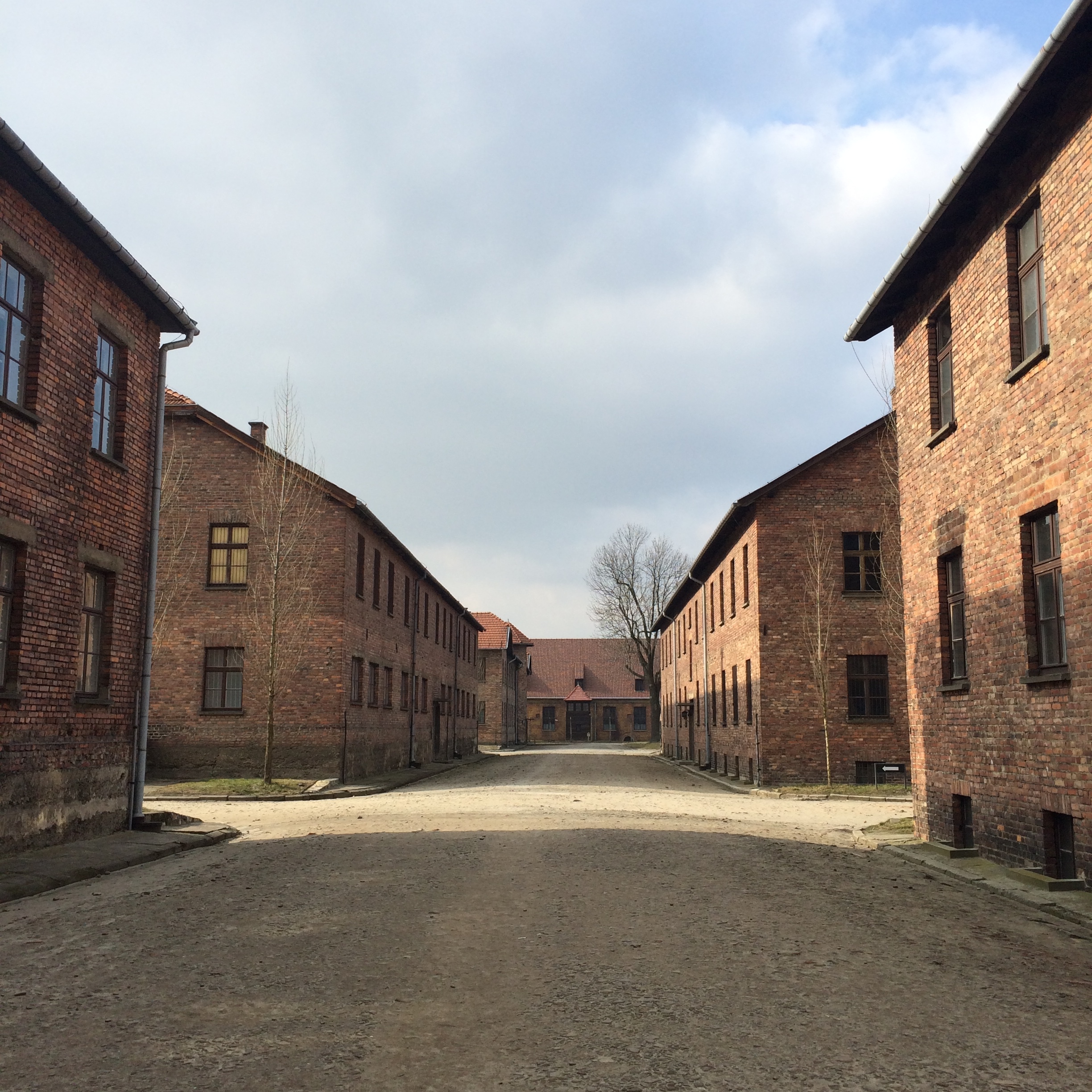
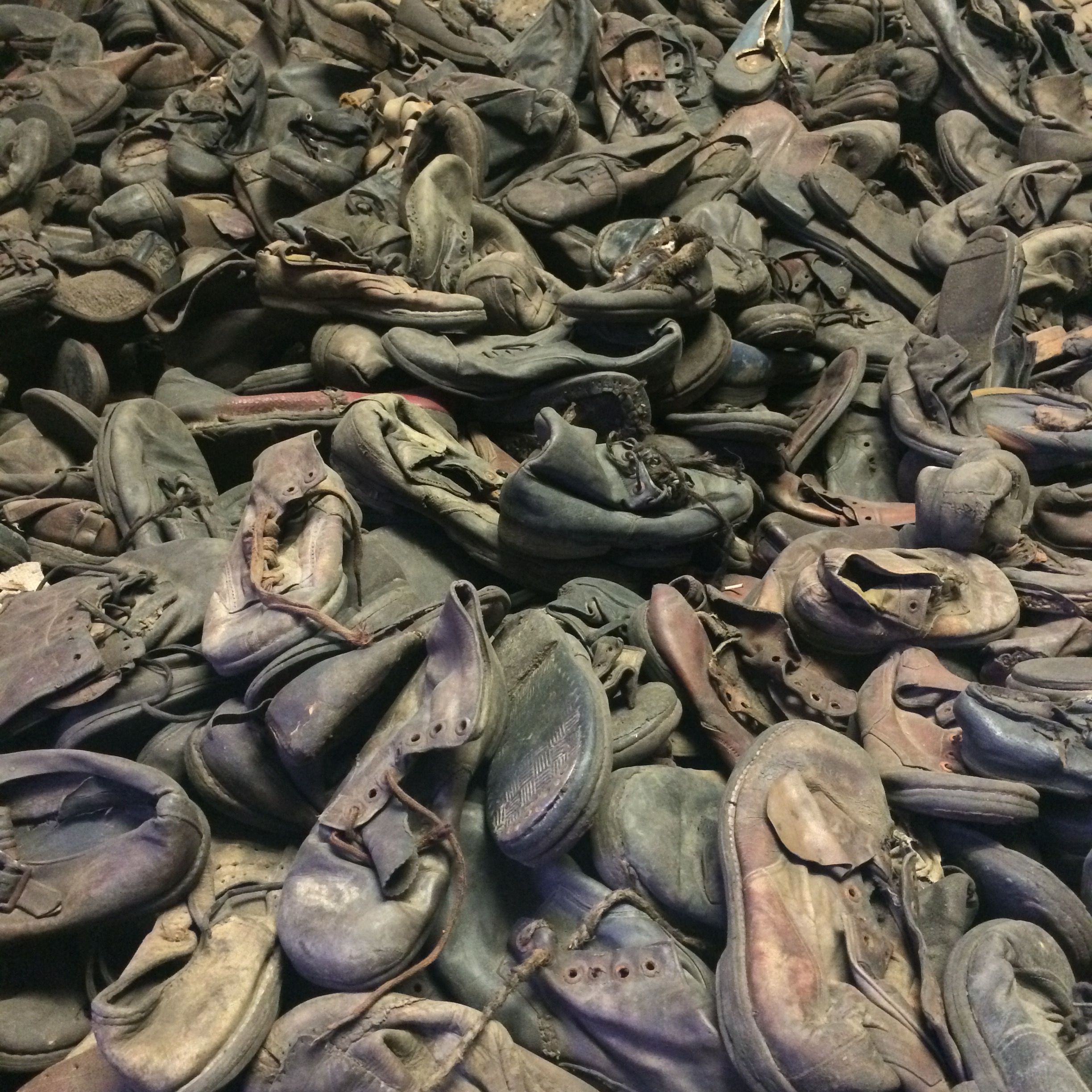
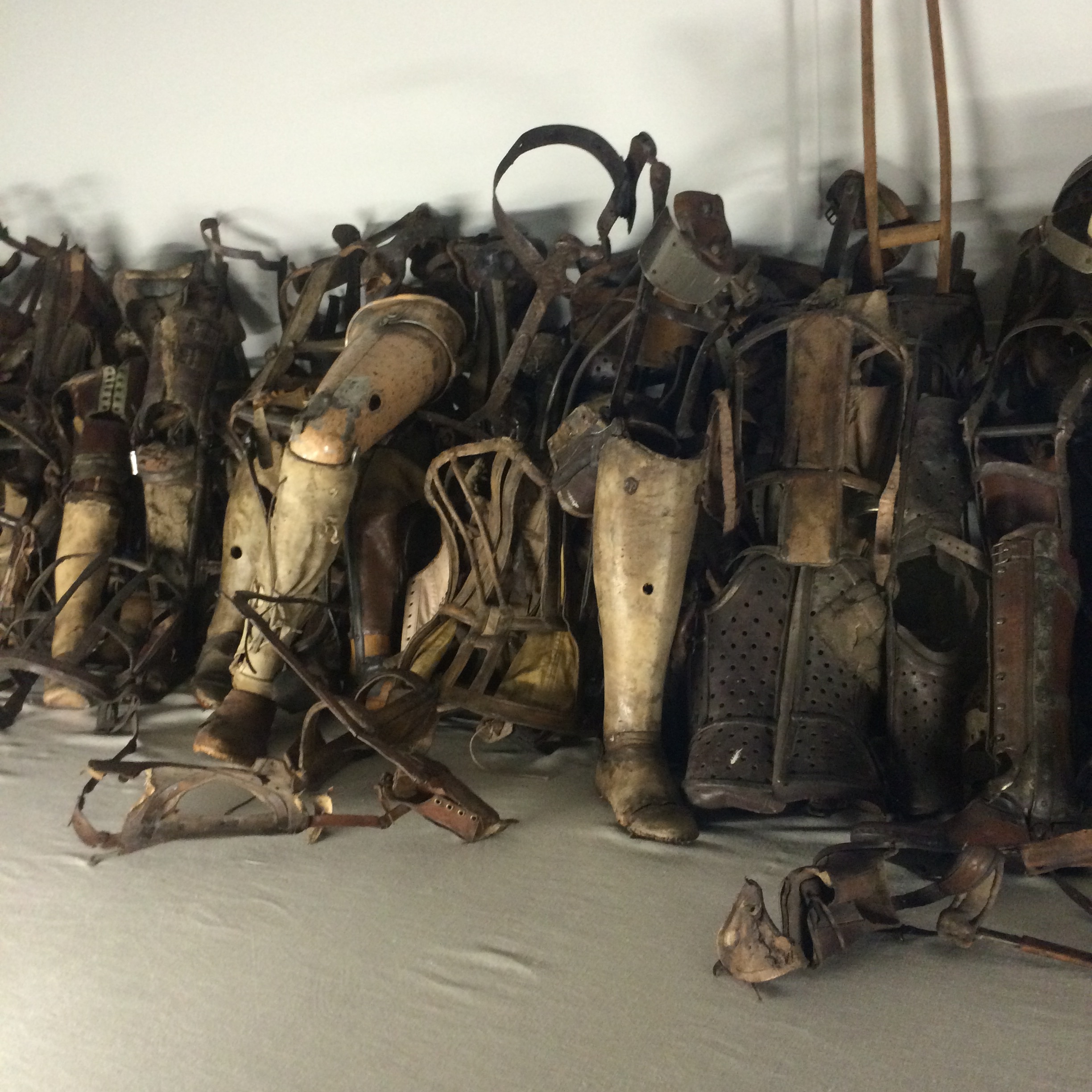
I will spare you of a history lesson and let the photos below speak for themselves. I do want to include, however, a few facets of our trip that stuck with me most:
- When prompted, our incredible tour guide and film director Paulina shared with us the survivor story that’s had the greatest impact on her. Specifically, she talked about the neighbor of a Polish man who’d been intellectually disabled (formerly “mentally retarded”) and picked on most of his life. One day, while the two were both in front of their homes, they saw an alarming amount of black crows screaming overhead. The boy remarked, “Oh no, how sad… the birds just told me that the soldiers are coming to kill all the children of Israel.” Over a month before there was even a slight indication of what was to come, his neighbor was more confused than disturbed: “What are you talking about?” He persisted: “Yes, how horribly sad. The birds just told me, they’re coming to murder the descendants of Abraham.” Che cazzo ?
- In Krakow alone, there were over 70,000 Jews before the Holocaust. Now, there are maybe a few thousand. The actual amount is difficult to confirm because many Jewish people celebrate their faith in private, for they are afraid history will repeat itself. Truthfully, I don’t blame them.
- 2015 marks 70 years since the liberation of Auschwitz, which means that all this occurred not that f’ing long ago AT ALL. This isn’t some distant, horrific event that dates back to before Christ. The accounts haven’t been translated and interpreted by ancient scholars over the course of centuries. There were no carrier pigeons or slaves. There were televisions, cars, technology, and airplanes. This was Europe, not some barbaric, uninhabitable third-world country. The Holocaust happened in our grandparents’ lifetime; my grandmother was my age when Auschwitz was liberated.
Płaszów Camp Memorial:
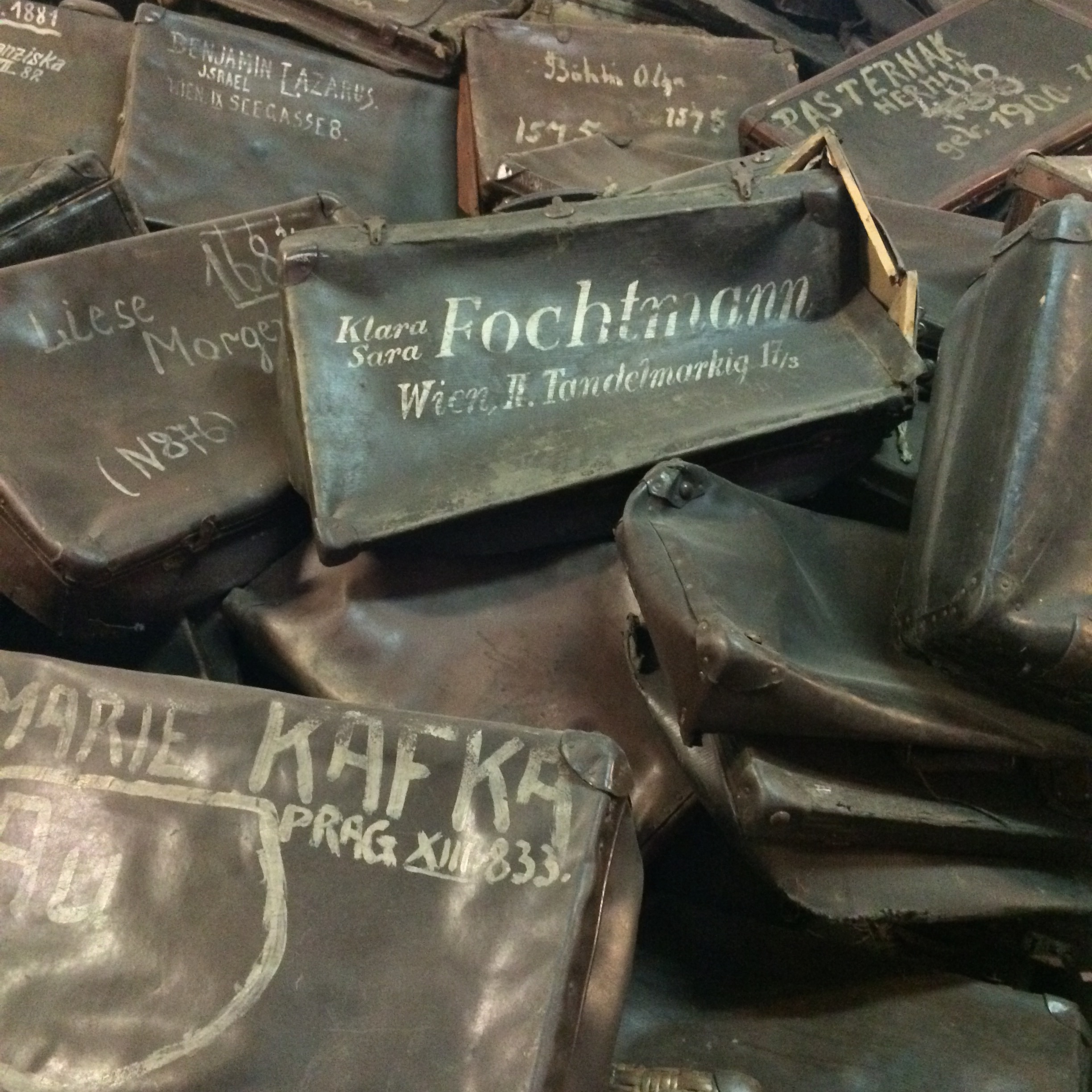
Creepy Amon Goeth’s House (the man who’d shoot people from his balcony in Schindler’s List):
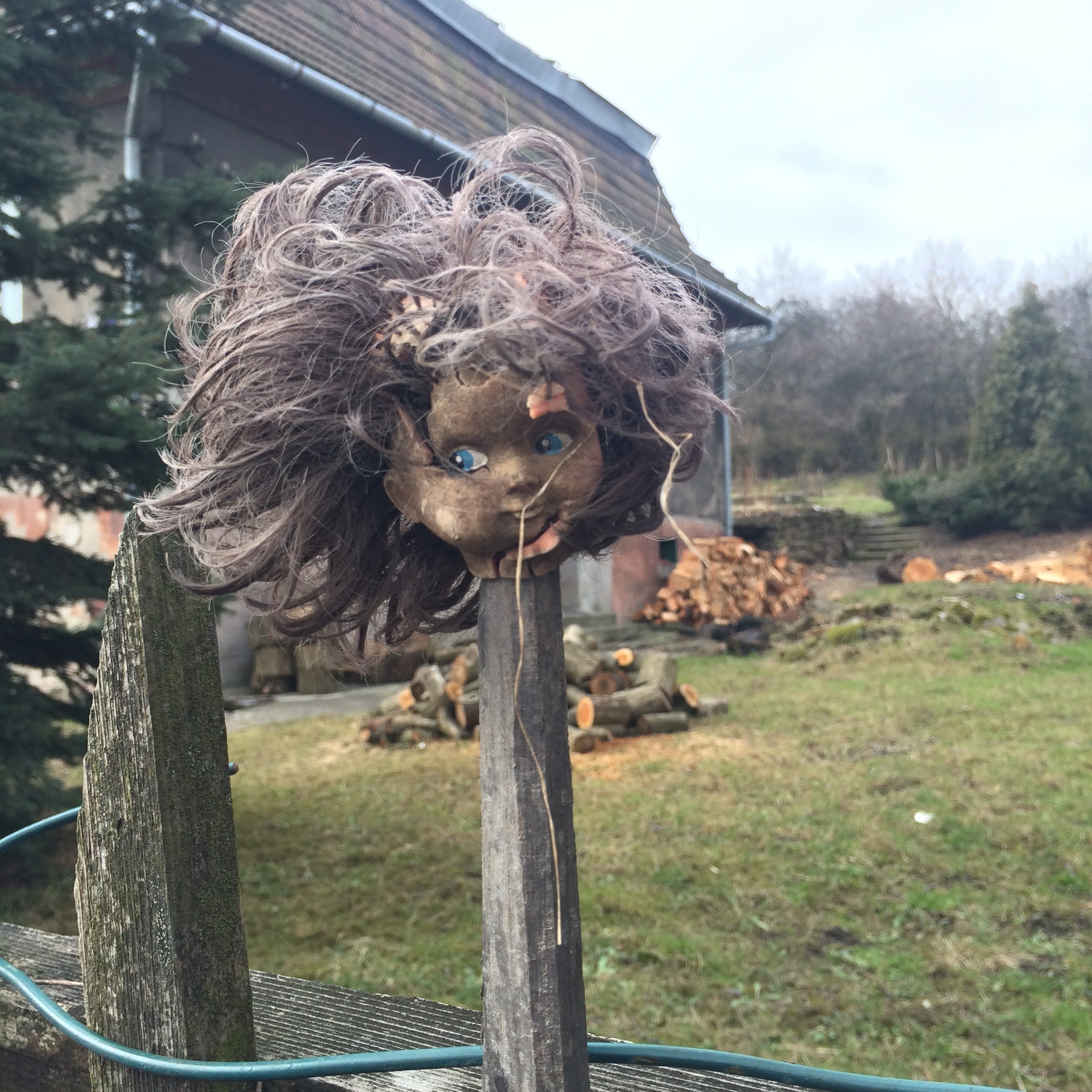
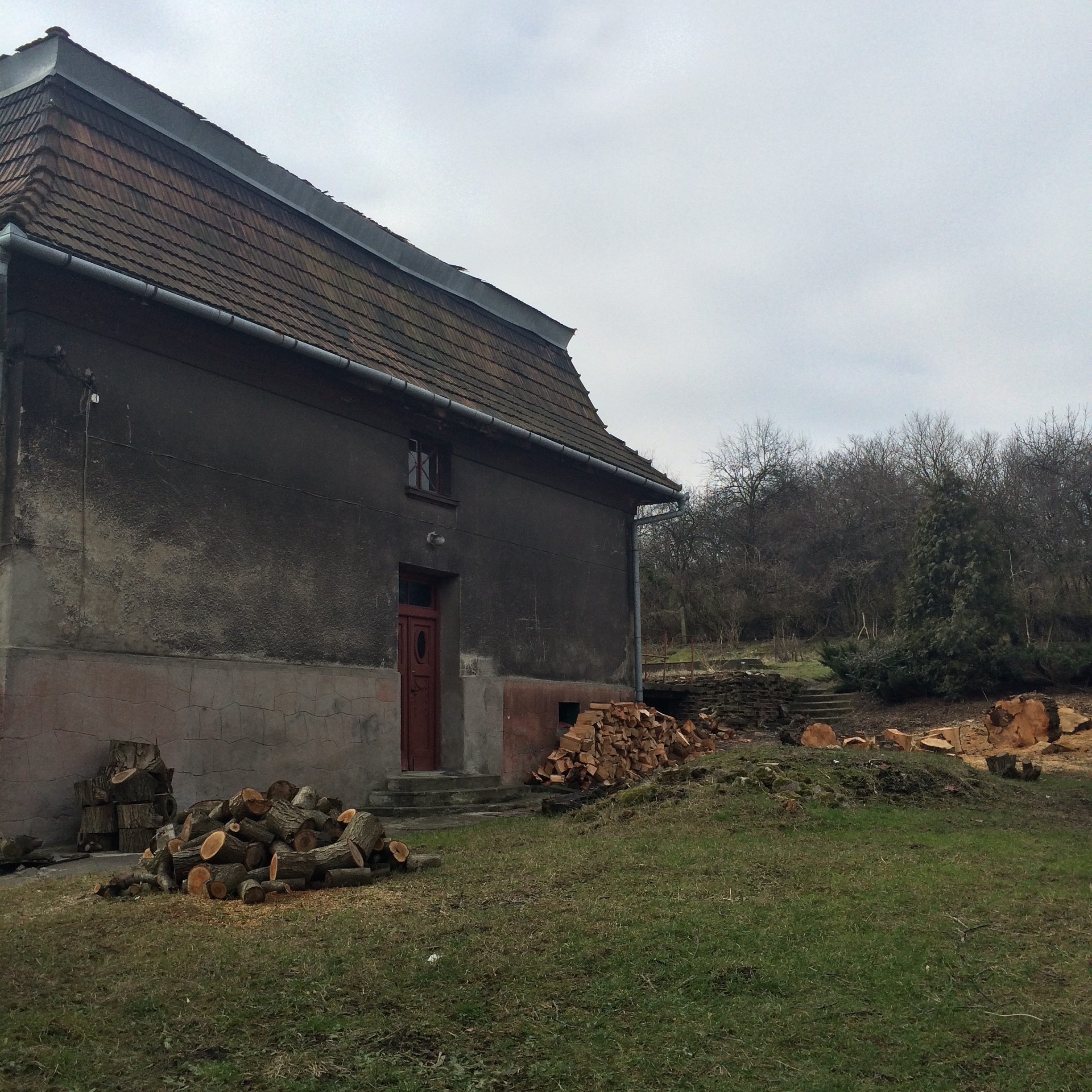
Auschwitz 1 Grounds & Crematorium:

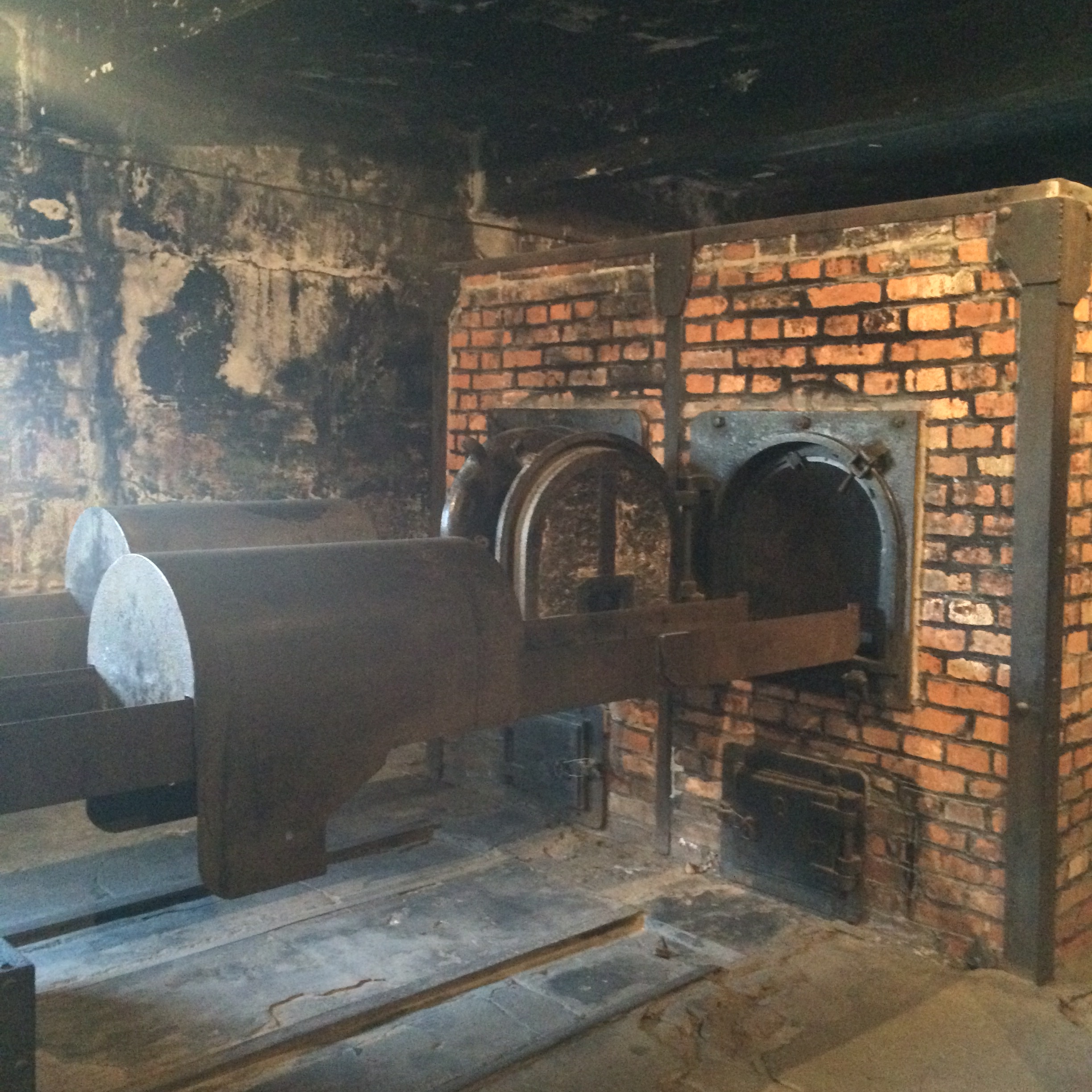



Belongings of Auschwitz 1 Victims (shoes, prosthetics, suitcases):
Auschwitz 2 (Birkenau):


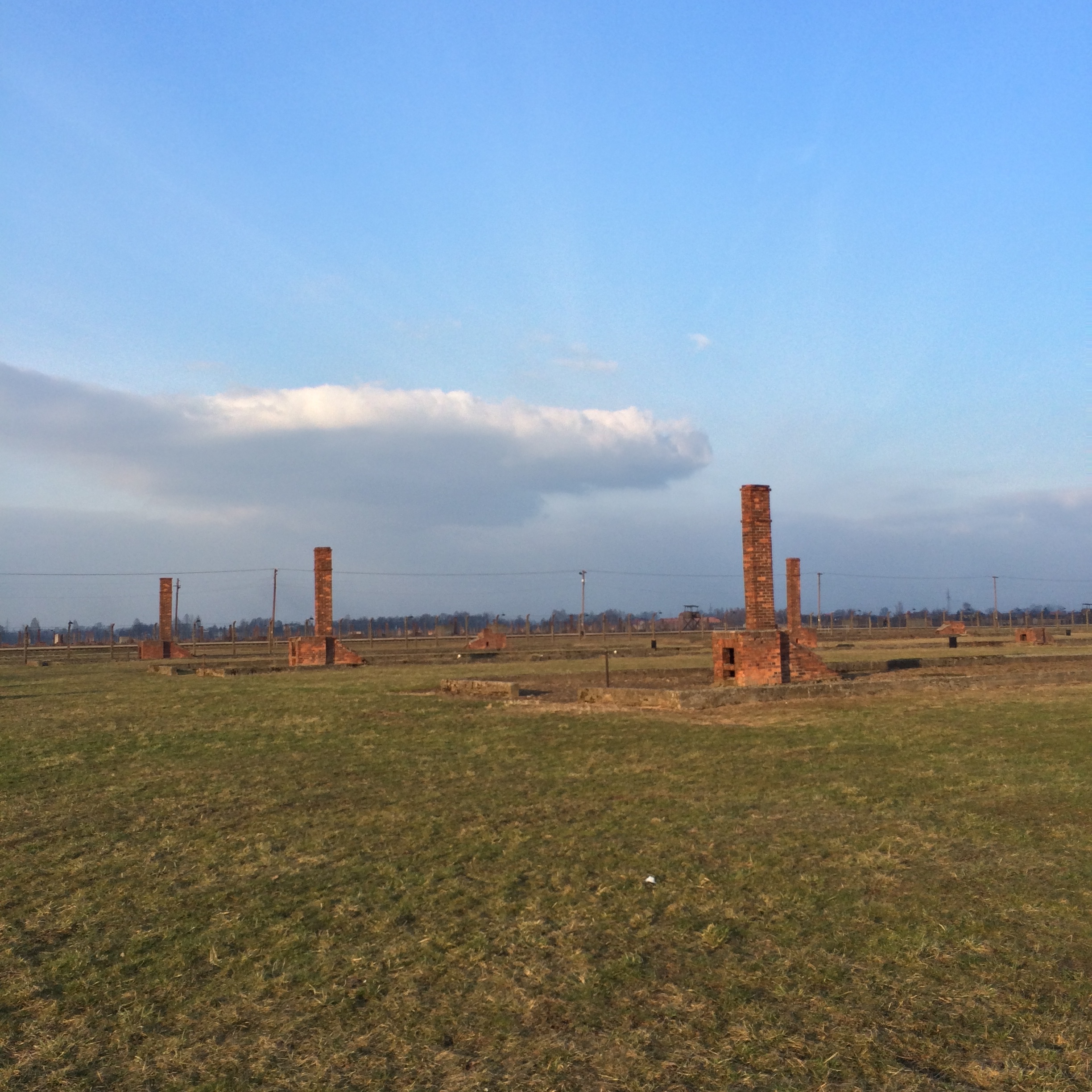
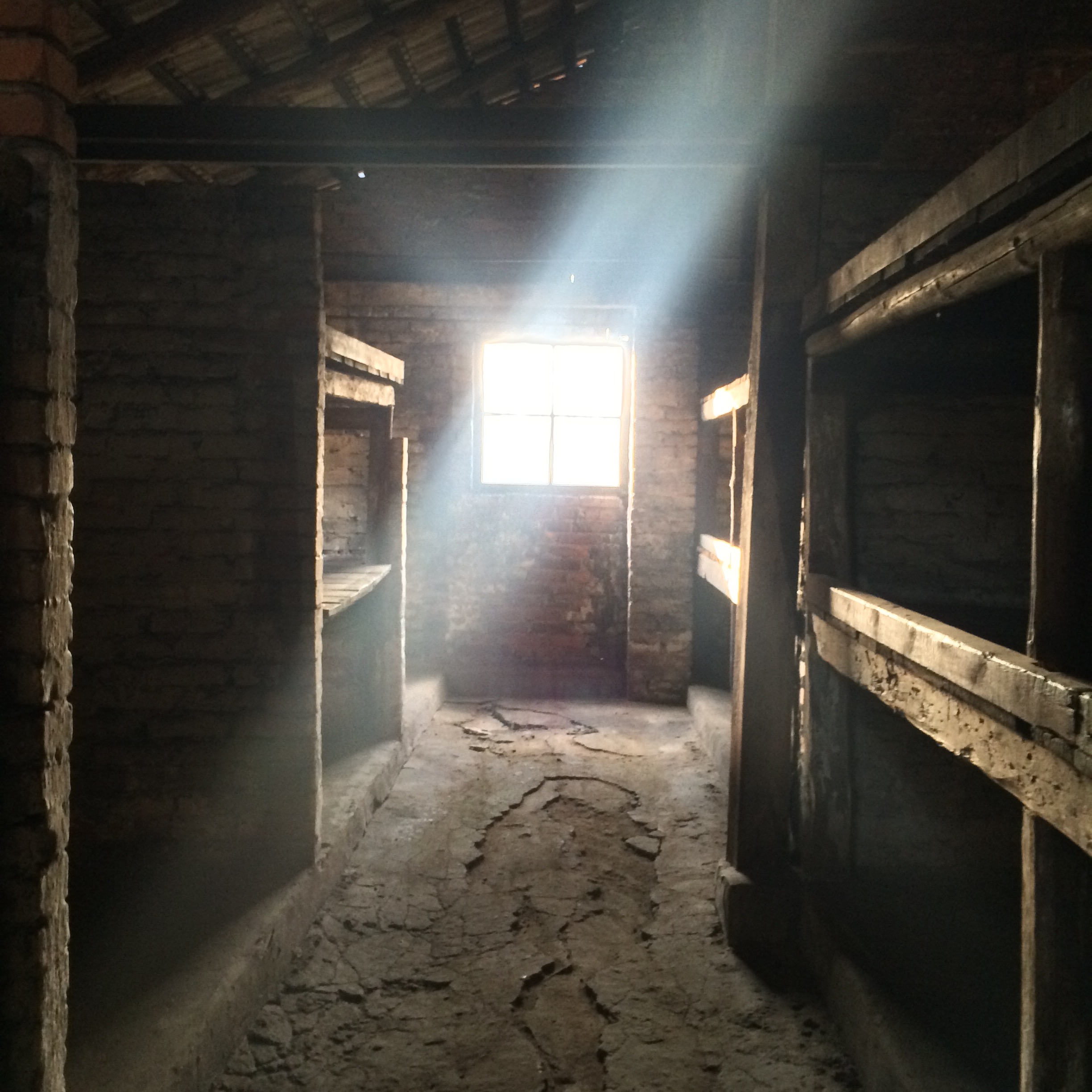
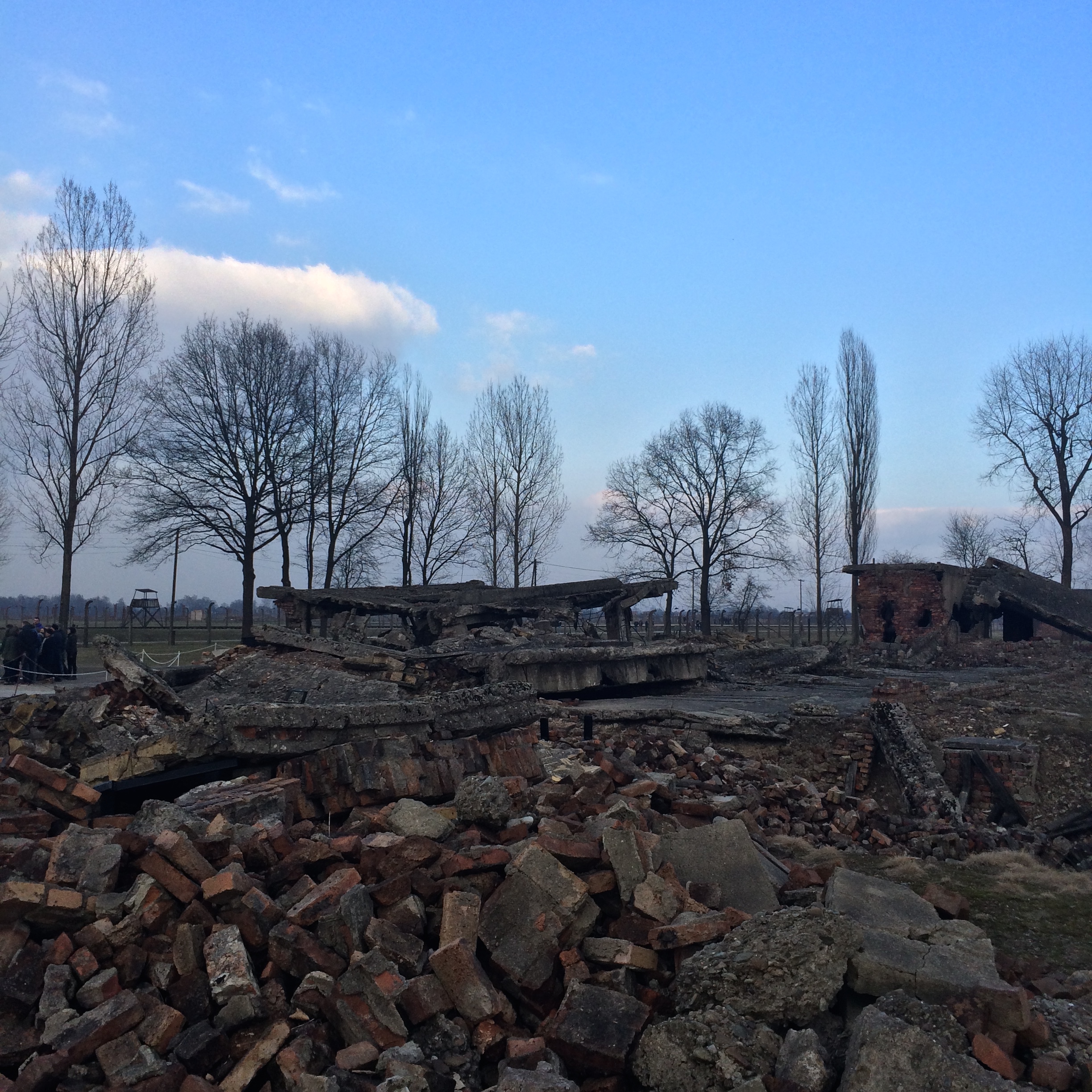



PS: The trip wasn’t completely somber and educational. We also tried Krakow’s top fun activity: Lost Souls Alley. It was so terrifying that Les had to use the code word to exit mid-way. One missing Ugg, three panic attacks, and eight bruised shins later, we made it to safety. Be on the lookout for night-vision footage. B)
PPS: I did extend my trip (of course), but since I gave up sweets for Lent, I opted for some sun instead of tempting myself in the gelato capital of the world. Italy, I’ll see you exactly one month from today – after Easter. ❤

To Stay or Not to Stay…
I’m currently in the midst of a too-familiar dilemma. Set to take off for Poland and Germany in 8 hours, I’m feverishly adding up miles and calling airlines to possibly extend my stay in Europe. I’ve been notorious for doing this in the past, but have since stuck with weekend trips to avoid missing work or school (as I’ve written about before, I absolutely hate taking off). However… as it turns out, I’m already off next week. Truthfully, I haven’t worked since the day I left for Vienna.
This last-minute predicament pales in comparison to the one I faced in February. I’ve been meaning to post for days about Austria and my 24 short hours on the ground, but my thoughts have been preoccupied to say the least. After attending a networking event for work, I was approached and recruited by a nearby assisted living facility. Just four miles from my apartment, this new place – I’ll call it il Sogno for now – features an Alzheimer’s unit and offers considerably more patient/family interaction, tremendous room to grow, and a 401k. Davvero?! Are they reaching out to the right person?!!
No brainer, right? I wish.. I wish I hated Senior Helpers even a little bit. I wish my bosses were jerks or the girls I worked with were obnoxious. I wish I’d count down the minutes until Friday and dread waking up on Monday. This, however, was not nearly the case. I loved Senior Helpers. In the two short months I was there, I not only learned a tremendous amount, but also met some of the most incredible people I’ve ever had the pleasure of working with. I was sick over the decision to be made, and even took a week to think about it after receiving my former offer letter (the nerve! I couldn’t help it!!).
Thankfully, despite the horrifying scenarios I had imagined I’d face, my decision was met with support and understanding. Il Sogno is not a competitor but rather a potential referral source, and I was adamant about SH being their primary referral. Not because I feel guilty, but because I truly believe they’re the best of the best. I’m beyond grateful for the knowledge, insight, and experience my bosses and colleagues were able to provide me with in such a short amount of time. You truly can’t predict the paths your journey will present to you, but you do decide which ones to take. I hope this weekend’s leads to Italy ❤
Dimmi Tutto
When living in Northern Italy this past fall, I learned a new phrase I hadn’t remembered hearing on previous trips: dimmi tutto. It translates to “tell me everything,” but apparently it isn’t meant to be taken literally. 😐 I quickly realized this after my first conversation with my future boss, who’d really only wanted to know why I’d been stalking her for two weeks (does no one in Italy answer emails?!). In other words, she was prompting me to introduce myself and explain why I had reached out. “Umm.. mi chiamo Christina Candido.. Ho 26 anni..” I’m cracking up just thinking of how awkward I was!
While dimmi tutto doesn’t require a detailed response, Italians do love to chat about anything and everything. One of the reasons I’m so drawn to the elderly is that I, too, am super chatty; I could sit with them for hours and hear their stories. Eventually, though, many of my loves with Alzheimer’s disease lose the ability to communicate verbally. For some, the process is gradual and progressive; aphasia can accompany dementia and involves confusing language impairments. While one’s intelligence remains unaffected, they may no longer be capable of finding words, reading, writing, or even of speaking aloud.
So what happens then? What happens when a nonna can’t tell me to eat another plate of food? Or when a nonno can’t articulate which button down he prefers with that hat? More importantly, what if they’re in pain? With language deteriorated and perception clouded, things become excruciatingly (no pun intended) complex. According to Teepa Snow, renowned occupational therapist and dementia specialist, those suffering from the disease can no longer identify, describe, or isolate where the distress is coming from because wiring is missing in their brains. Once unable to convey distress verbally (effectively, at least), nonverbal cues become extremely important. Listening and observing are key components to recognizing a need for help:
“Early in the disease, the person probably can communicate feelings and problems in words; later, his or her behavior articulates what words cannot. If he is yelling or striking out, this can signify that he is in pain or has an infection and needs medical attention. Wandering can suggest boredom. Tears can suggest loneliness and the need for more activity and interaction with other people. When you stop, look, and listen, the person’s behaviors communicate many things.” – A Dignified Life
When deciphering messages from nonnos and nonnas, be patient and empathetic. Really listen to them and focus on what they’re longing to tell you, as changes in “normal” behaviors or appearances can be indicative of something detrimental going on beneath the surface. Assume that agitation is a symptom of something significant, as are restlessness and anxiety. Be suspicious when your love doesn’t want to get out of bed or participate in daily activities. If it seems like something’s up, get it checked out and explain the situation. In this case, take “dimmi tutto” literally.
*The following link is a clip of Teepa offering examples of nonverbal signs of pain. She offers tips for deciphering what is said from what is actually meant when a loved one has a difficult time communicating needs. https://www.youtube.com/watch?v=9kSjHtHSJCw
Un’amore Così Grande
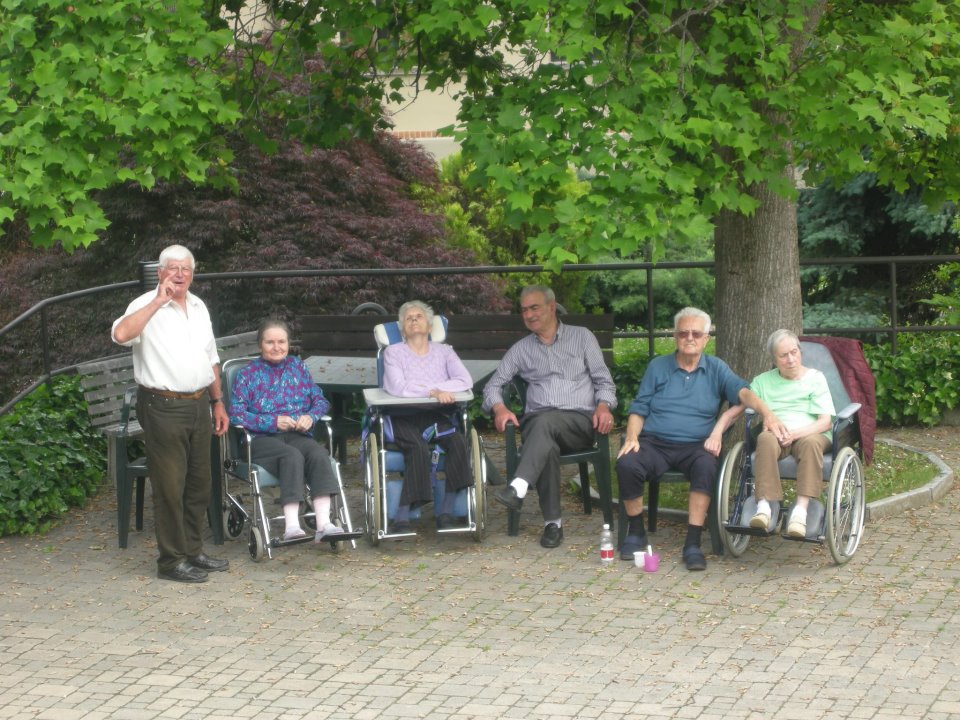 Some favorite couples at il Rifugio ❤
Last week, I was able to play my favorite reminiscence grab bag game again. I offered a workshop on “Keeping Your Mind Strong” to some loves at an assisted living facility and we had an awesome time. Though I didn’t necessarily hear any super-insightful responses like I’ve written about before, there was one nonna who really got me thinking. One of the prompts is “greatest role model.” When reading it aloud, I offered examples: a parent, a mentor, a former teacher. The nonna who’d picked this one, however, specified that her greatest role model had been her husband. Davvero?!
Amongst the countless things we learn from elders, it’s been my experience that love is of the most profound. To be clear: unless I’m crazy about you, I am not a lovey-dovey person. The word “relationship” gives me anxiety. I am the epitome of Humphrey Bogart in Casablanca when he replies “I never make plans that far ahead” to Madeline LeBeau’s “Will I see you tonight?” I can tell you with confidence that I am not writing this post as a sappy 20-something girl whose five-year plan is to find a husband and start a family.
That being said, the love these nonnos and nonnas have shown me blows my cynicism to pieces. It floors me. I, like everyone else, have a general idea of what I want and what I look for in a partner; I’ve got the standard mental checklist that I refer to and that changes as I grow. While some criteria remain, I’ve tweaked or eliminated others. Does he need to let Max sleep in bed with us? Yes. Will he have to be as obsessed with traveling? No. One condition that persists: he has to be there. Like, really be there. Not in the sense that he’s breathing down my neck; I mean I have to know that this guy would stand by my side through thick and thin, and that I would proudly, without hesitation do the same for him.
I’m cynical, but now I’m spoiled. I’ve seen a love that withstands both physical and intellectual decay – the kind of crumbling that leads to pureed meals & empty stares, to alarming confusion & hurtful claims, and to incontinence & immobility. It’s this love that plows through hurdles and persists. The man who’d talk to me despite my silence, who’d care for me without applause, who’d lie beside me on my bathroom floor to ease my pain – he would be my role model, and me [hopefully] his.
We Need to Talk…
Last week, I got a call at work from a concerned nonna inquiring about our services. She explained that her husband is in the earlier stages of Alzheimer’s, but that it’s difficult for her to talk to her friends about his condition; not only can they not relate, they’re skeptical about what she describes. Though he’s been getting lost, taking four days’ worth of meds in one pop, and hiding keys in the freezer, in social situations, this same nonno shines. He’s able to chat with acquaintances and is the life of the party.
This may sound surprising but it’s actually not uncommon at all. We often hear only of the losses associated with Alzheimer’s disease and are therefore unfamiliar with what’s preserved. Early on especially, the right side of the brain is left relatively untouched; while one’s reality orientation, impulse control, and eyesight are diminishing, their ability to engage in social chitchat is intact. In addition, they hold on to rhythm and music and (uh oh!) curse words, which is why your angel of a nonna may come out with things that would have otherwise appalled her.
Pretty interesting, vero? When I lived and volunteered at il Rifugio three years ago, one of my loves used to always say things like, “Look at you. I remember when you were a tiny baby! How’s your mother? Everybody good at home?” She’d even call other nonnas over to revel in how big I’d gotten. I’d obviously never seen this lady before, but I was more than happy to laugh with her about my chunky high school years and how protective my crazy brothers are.
I had countless conversations like this in Treviso, too, and also since I’ve been home with my new loves at Senior Helpers – one is even convinced that my boss is my dad :-O . Could I correct them and specify that we’ve just met? Or skip the small talk and get down to business? I guess, but why the f would I want to do that? Recently, I visited an Italian-speaking nonna who we care for five days a week. I was obviously ecstatic to meet her. After sitting at her kitchen table for a little while, she asked me why I had come by. When I responded with, “Perche no? Just to see you and spend time together,” she actually cried she was so happy.
Cary Henderson, a former history professor who suffered from Alzheimer’s disease and recorded his thoughts, has said:
“And another really crazy thing about Alzheimer’s, nobody really wants to talk to you any longer. They’re maybe afraid of us. I don’t know if that’s the trouble or not. I assume it is, but we can assure everybody that we know Alzheimer’s is not catching.”
I beg you, chat with your love. Talk about anything. Shoot the breeze with the nonno who lives down the street. Call the nonna who shops at your job and who you know is alone. Chat even if they’re mistaken, and especially if they’ve lost the ability to answer you back. These social interactions, while seemingly trivial, can mean the world to someone, even after their mind has deteriorated and their memory is erased.
Greatest Accomplishment
As part of my job description, I’m given the opportunity to present in front of local seniors, other professionals, at hospitals, in nursing or assisted living facilities, etc. The topics vary and include things like Keeping Your Mind Strong and Normal Aging vs. Dementia. As if I hadn’t loved grad school enough, I am even more grateful for it now; those PowerPoints and mock group sessions have prepared me beyond measure. My first presentation was last week and I was in my glory.
The Memory Loss workshop was sponsored by Newark Beth Israel and held at the South Ward Senior Citizen Center in Newark. My boss and I anticipated about 10 people showing up, assuming it would be an easy practice run for me with little room for error. I in turn showed up alone and, to my surprise, was greeted by 40 nonnos and nonnas. I was ecstatic. We spent over an hour discussing memory loss prevention, reminiscing together, and learning from each other.
I want to keep my presentations interactive, so I had us play a reminiscence grab bag game toward the end. The way it works is that everyone picks a tiny piece of paper from a hat, not revealing their “memory” until all have finished and we go around the room. Memories include cues like “first kiss,” “worst job I’ve ever had,” “most embarrassing moment,” etc. I’ve used it in grad school internships and it’s always proven to be a fun, playful way to rummage through the past, to get to know each other better, and to create a sense of universality.
When asked to share her greatest accomplishment with the group, a SWSCC member said, “I learned to stop worrying so much about everything and just focus on the positive.” Ummm cosa?! As a naïve twenty-something, I naturally expected one’s response to be something like “landing my dream job” or “giving birth.” I applauded her for her achievement and expressed that this takes time, noting that, at 27, I’m still working on it. Her response (which she whispered into my ear): “Let me tell you a secret that will help speed things up: be thankful. Really appreciate life and all of your blessings. Be grateful, and you’ll no longer be worried about worrying.”
What a powerful and admirable achievement. Renowned psychologist Erik Erikson explained that we spend a big portion of our adult lives frantically searching for creative, meaningful work, dreading the idea of being “stuck.” (<- e` vero) We immerse ourselves in our responsibilities, striving to attain what’s unattainable and fill the void that is its absence. Little do we realize, though, that by focusing on what we’ve yet to acquire, we lose sight of how fortunate and capable we already are.
My insightful audience member’s wisdom can be applied in any situation and at any point in one’s life; whether an adult still striving or a senior reflecting back, it is essential that we realize and take pride in our accomplishments. When working with our nonnos and nonnas, we need to focus on what is precious and unique about them, celebrating what they can still do as opposed to what they cannot. We must nurture a positive, purposeful life. Most importantly, we are to lift spirits and applaud strengths.
My next workshop is on February 4th in Summit. To say I’m excited to hear more grab bag responses is an f’ing understatement.
Partial View: An Alzheimer’s Journal
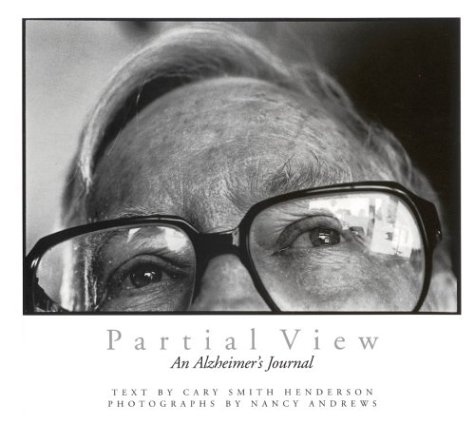
It’s been too long since I’ve written a book review post! After much anticipation, I finally received former history professor Cary Henderson’s Partial View: An Alzheimer’s Journal.
Typically, one cannot receive a definite diagnosis of Alzheimer’s until they’ve passed away and an autopsy is performed. Mr. Henderson, however, was a rare exception; he had had a biopsy for something unrelated and the results confirmed he had the disease. Though no longer able to write, he used a tape recorder to track and share his thoughts. His wife and daughter eventually transcribed his footage and wrote this book, which I was able to finish in a little over an hour.
Partial View contains mostly random, unrelated thoughts; it doesn’t follow a clear path, but is nonetheless informative and definitely provides a glimpse of what an individual with Alzheimer’s is thinking and feeling. It’s a quick, easy read, and though it won’t necessarily change your life, I think it’s worth the hour! Plus, you can find it on Amazon for as cheap as a dollar.
One of my favorite quotes (he keeps you laughing!):
“I did stop going to church. The biggest reason – well, there were two reasons, one of which is that I am not really enamored of a God who creates something like Alzheimer’s and the second is I’m afraid of tripping.”
Is It Worth It?
A week or so ago, I had a painful and reluctant discussion with my new boss that literally gives me anxiety to think about: for the first time, I had to ask him for a day off. :-O Anyone who knows me at all knows that I absolutely hate to miss work under any circumstances. I was once carried out of the kennel with a kidney stone and my biggest concern was being able to return before we closed. I’m getting upset just thinking about it.
Luckily, I only requested that I miss one Friday in March and he of course was fine with it. He even jokingly responded with, “Why, are you going to Italy for the weekend?” to which I replied, “Germany and Poland.”  He knows me too well already! Though the idea of traveling to Europe for a weekend seems insane and is laughable to some (ok, ok… laughable to most), I could not stress enough that, to me, it’s totally worth it.
As I mentioned, it pains me to miss even one day of work, especially now that I’ve just started a new job. I was even worse with school before graduating this past May; I’d have to be given a day or two left to live to even consider skipping class. In addition to my irrational FOMO, I don’t have a ton of free time; I have two jobs, I’m doing research, I have a 140lb puppy who needs my kisses, and I have a life. As I’ve been told repeatedly, though, my responsibilities will not dissipate as I get older. On the contrary, this is the easy time. Stai scherzando?! It gets busier than this?!?!?!
At 27, there’s still a ton I’ve yet to become sure about. I am beyond certain, however, that I will happily take what I can get. If a long weekend is my only option and the tickets are cheap enough, I’m there. No hesitation. If it’s too soon to request off, I’ll arrange so that I don’t have to; in February, I’m going to Austria for one night. Una notte. I will have 24 hours on the ground e basta. As I said, I will literally take what I can get.
I’ve decided to compile a list of pros to my insane[ly fun] short trips to support their awesomeness and to hopefully discourage any readers from committing me to Overbrook:
- YOU SAVE MONEY: When my equally crazy friends and I go to Germany and Poland, we’ll spend about $900 each TOTAL. That includes flights, hotels, a car, excursions, and food. That may seem like a lot for 3 days, but considering they’ll likely be 3 of the best days of our lives, $300 per day is worth it. In addition, had we decided to go for a week, we’d be paying $X more in hotels and food, and we’re not made of money!
- YOU DON’T DISRUPT YOUR LIFE: I cringe typing these words, but missing one day of work isn’t going to kill me. I won’t come home and have a ton of catching up to do, and the show will certainly go on despite my brief absence.
- YOU HAVE A LOT TO LOOK FORWARD TO: This may not be the popular opinion, but I’d much rather take quick, frequent vacations than spend all year waiting for one long one.
- YOU’RE SEEING THE WORLD: How much can you get done in one weekend? Well, you can galavant around Lake Como, tour the Piedmont vineyards, attend a food festival in Alba, climb a mountain in Switzerland, and still get over 7 hours of sleep (*note: we did all that on a 24-hours-on-the-ground trip). You can cross glaciers, see geysers, swim in thermal lagoons, go dog-sledding, and scale waterfalls in Iceland. You can ride horses in Ireland and tour its entire southern coast. You have no idea how much you can accomplish in a weekend’s time.
On Friday night, you can either go to sleep in your bed and wake up at home or pass out on a Boeing 747 and wake up in another country. I choose the latter.
 NeuroloGypsy