Do We Ever Grow Out of Being Afraid?

Soo I reluctantly had a birthday recently and am officially a late twenty-something 😐 At 27, I’m already a solid three years into a full blown quarter-life crisis. I’ve spent too much time thinking about who I am, where I’m going, and what I want. I have set goals and chased dreams. I’ve taken chances, saved all my money, spent all my money, and learned big lessons. Despite some questionable decisions and bumps in the road, I’m proud of and ecstatic for present and future endeavors. I still, however, can’t silence all of my twenty-something anxieties; though older, I’m still afraid.

As much as I like to argue otherwise, 27 fortunately isn’t that old. My fears are justified, perhaps, but they’re trivial; I worry about wrinkles and paying rent. I’m afraid of Ferris wheels and spiders and being late to work. I’m scared to go to a bar and not be asked for ID. Otherwise, I am for the most part blissfully naĆÆve and pretentiously invincible.

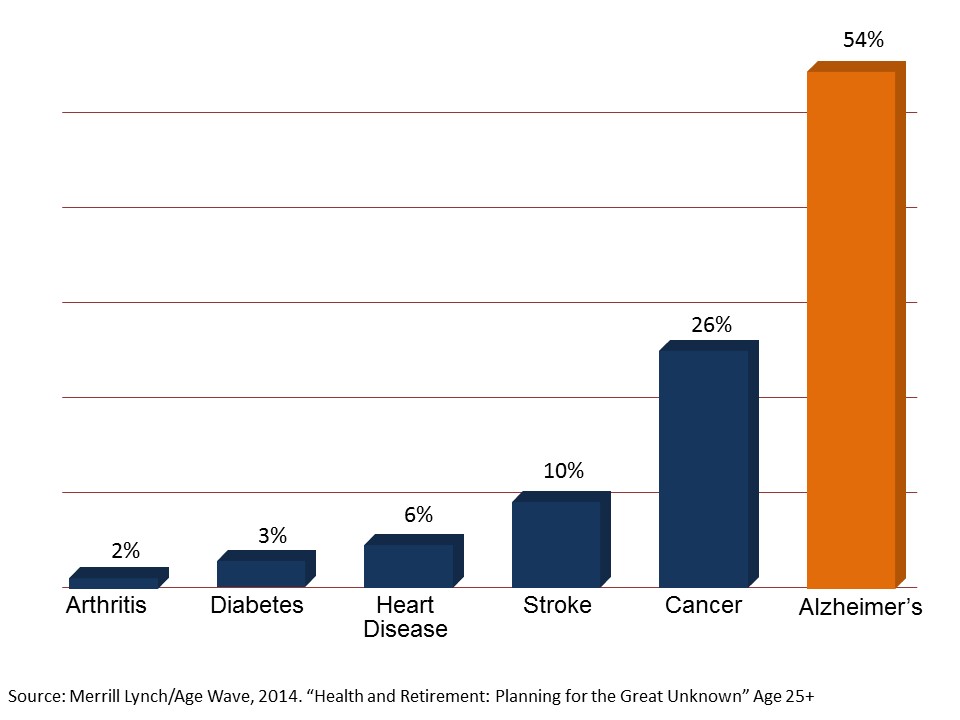
I joke around, but not all my fears are narcissistic; after all, I work and immerse myself in a field that treats the demented. I see firsthand the impact that Alzheimer’s has on both its victims and their caregivers, and it’s terrifying. It’s no surprise that the disease was recently found to be the scariest disabling condition in later life. According to those 3,000+ surveyed, it’s more frightening than cancer, heart disease, stroke, and diabetes combined.
feareddiseasechart

It’s not uncommon for those experiencing symptoms of dementia to attempt to deny and conceal them, and understandably so. Who the f would want to admit to people that they have the most feared disease out there?! Imagine the humiliating stigma that accompanies a brain disorder. If sharing a diagnosis resulted in being treated like an incompetent child, I’d keep quiet too. Similarly, those caring for a loved one displaying signs are often quick to conceal as well.. if I can’t bring myself to face or accept that my mom is slipping, how am I supposed to speak of her condition aloud?

What we don’t realize, however, is the damage this denial does. Alzheimer’s is progressive and as of now it can’t be cured, but at least its symptoms can be kept at bay or its progression slowed. Early diagnosis allows for planning and for treatment, both of which nonnos and nonnas should be involved in themselves. With this disease, time is undoubtedly of the essence and unfortunately not on your side.

To add some perspective, those experiencing Alzheimer’s symptoms who are worried about stigma remain undiagnosed for 3½ years. That’s 42 months! 42 months that could have been spent delaying advancement, deferring effects, and planning for the future. Especially frightening is the fact that when we as caregivers are concerned of stigma, the delay is even more severe: a nonno remains undiagnosed for an average of 6 years.. 72 f’ing months.

These are serious and unnecessary setbacks. I understand this disease is scary; I witness it every single day. It can be not only confusing, but absolutely heartbreaking and discouraging. It requires the biggest adjustment you’ll likely ever have to make in your lifetime. I beg you, though, be honest. Be open about what you’re seeing or experiencing. Be accepting and empathetic, not shameful. Show compassion and truly mean it. The disease itself is daunting enough – seeking support shouldn’t be.
Soo This is Awkward…

ss-110917-Ruth-Orkin-American-Girl-in-Italy.grid-6x2

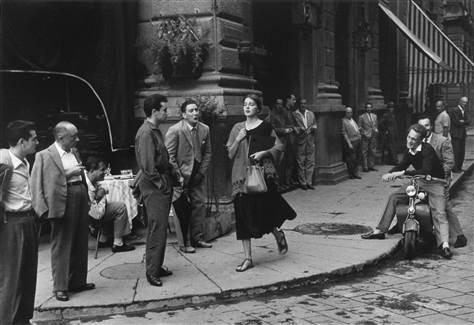
Though the iconic ā€œAmerican Girl in Italyā€ was shot over 60 years ago, its portrayal of Italian men is still alarmingly accurate. After a little research, I was ecstatic to read that it wasn’t at all staged; 29 year old Ruth Orkin couldn’t have captured a better photo if she tried! She had simply been ā€œhorsing aroundā€ with friend and fellow twenty-something female traveler Ninalee Craig. I feel like the three of us could have been best friends <3. The young studs in that photo are now likely well into their eighties, and while their health may have deteriorated, their feisty, flirtatious spirits have not.

While most nonnos on both my trips have been beyond respectful, some have been frisky and borderline inappropriate. Others have leaped over that border and proudly settled on the other side. Though I’ve gotten a kick out of a lot of them and been playful back with some, I’m not quick to be flattered; it’s not me, it’s them. 😐

ā€œMany people with dementia still have sexual urges – and want to act on them. But with poor impulse control and self-censorship, and lacking the ability to read a social situation as they once did, these feelings can lead someone to behave in ways considered socially wrong.

Advances can range from suggestive comments to propositioning, and from flirtatious touches to groping.ā€ Paula Spencer Scott

I’m neutral. I’m the young (is 27 still ā€œyoungā€?) American volunteer who they’ll likely never see again. No matter how inappropriate or unwarranted, their advances won’t hurt my feelings; I can address them properly and we’ll all move on. This is much easier said than done for a family member, friend, or caregiver, and understandably so!

ā€œKnow that for an adult child, this can be one of the more distressing problems to deal with – especially when you’re the target of the unwanted advances. The mix of shock, distaste, guilt, and confusion you may feel is absolutely normal. It’s the ultimate muddling of your social roles.ā€ Paula Spencer Scott

It’s essential to keep in mind that the nonno or nonna (the ladies are guilty of it too!) isn’t thinking incest or expressing deep-rooted feelings; they truly believe you’re someone else. It has nothing to do with how you are or aren’t acting toward them, either – though I’m playful and outgoing, I certainly don’t solicit sexual advances from 90 year old men.

Since they’re sincerely confused and mistaken, try not to shame or embarrass them. When greeting your loved one, perhaps you can subtly specify what your relationship is. A translated personal example: ā€œGood morning, Mr. Casoni! Your favorite American caregiver is here!ā€ šŸ˜‰ (AKA the only American caregiver, ma non fa niente) You can gently (but firmly) set a boundary, or even distract them by introducing a fresh activity or offering a snack to satisfy a different type of physical craving. I know I’d accept Nutella in place of making out. šŸ˜›

Approaching Relationships

It’s been way too long since I’ve posted here! I’ve been debating about whether or not to keep going, as I’m back home and unfortunately no longer with my loves. However, there’s so much more that was learned that I didn’t have time to share, so I decided to keep it up! That and I’m hoping to get a job in the field here, so I will ideally have plenty more to write about in the near future šŸ˜‰

When I first started working with patients back in 2012, I remember having mixed feelings regarding visitors. Some family members would come to il Rifugio every single day, others occasionally, and some I had never met at all. The same held true this past trip.

I understand that it’s difficult; the illness’s impact on relatives and caregivers can be crippling. Of course, then, the thought alone of the possibility that a loved one may be showing signs of it is terrifying. In fact, a recent survey revealed that people fear being responsible for someone with Alzheimer’s more than they fear actually having the disease themselves. :-O No wonder some have a hard time visiting!

I’ve learned from observing their interactions, though, that the relationships family members have with their ill loved ones can be some of the most beautiful and heartwarming ones to witness; I promise that it doesn’t have to be frightening. What determines where these relationships fall on the scary scale is simple: the approach.

Though we as caregivers may be painfully aware of the change in our nonna or nonno’s condition, they are not. Lucky for them, patients themselves lack this kind of insight; anosognosia is a condition that accompanies dementia and refers to reduced awareness of symptoms. Even in earlier stages, when one may recognize that something isn’t right, they aren’t entirely sure of what’s actually wrong. More important to keep in mind is the fact that they likely don’t care. Anosodiaphoria is also present with dementia, and it refers to a lack of concern about the consequences of these cloudy symptoms. As Dr. Taylor writes in the midst of his own battle with Alzheimer’s:

ā€œCaregivers have pointed out to me a number of incidents during which I was unaware of what I was doing. Even more amazing to me, when told what I did, I didn’t seem to care! And, as a matter of act, I really don’t feel like I should care right now… It is simply amazing to be aware of what you don’t want to do, and when you do it, not to care one way or the other… I have wandered away and didn’t care, and I don’t care, although it sure upset a lot of other people. I didn’t get upset about it. I was not and am still not afraid. Others are upset and afraid for me.ā€

While we understand facets of our loved ones’ conditions, it’s important that we recognize that they do not and that we treat them accordingly. When your nonna asks you for the fourth time that day if you’ll be eating lunch together, try to keep your patience; don’t allow aggravation to overcome your emotions. Instead of answering frustratingly and asserting that she knows you always eat together, keep in mind that unfortunately she may not. Not anymore, at least. When your nonno insists on wearing a button down and nice slacks every day, refrain from trying to convince him it’s unnecessary; allow him to be comfortable. Compliment him. Ask for his opinion of your own outfit. Whatever you do, respect his harmless decision and thank him for passing his sense of style down to you. Above all, for your own health and sanity, try to remember that the difficulties you’re facing are part of the disease process, not part of the person. Per favore, approach your interactions accordingly.

VV, I’ll Miss You Forever </3

As my precious time in Italy has ended, I wanted to compile a list of what I will and won’t miss about living in the most incredible country in the world…

What I’ll Miss:

  • SECURITY: I have not sensed one ounce of insecurity on anyone; men cross their legs and hug each other, women dress stylishly yet comfortably, and everyone seems to eat and drink what they want (though in much smaller portions!).
  • SELF-EXPRESSION: Similarly, Italians are edgy! They’re not afraid to express themselves and don’t seem to worry about being judged. They rock crazy hairstyles, outfits, etc. – I give them a lot of credit!
  • PERSONAL SPACE: There is no such thing as personal space in Italy. Not only do people stand extremely close to each other, but it is also socially acceptable to stare. If someone looks at you too long in the US, it’s seen as confrontational (or, at minimum, creepy). I don’t get ā€œskeevedā€ easily and I’m a fan of strong eye contact, so I’ll honestly miss these!
  • CLASS: Italians and Europeans in general are open, yet classy. Neither sex nor nudity is shameful, and they’re typically presented very tastefully. Exception: male speedos on the beach.. nothing tasteful about them. 😐
  • AFFECTION: Whether you’re an acquaintance, close friend, family member, or lover, you will be greeted with affection in Italy. Even men are affectionate with each other!
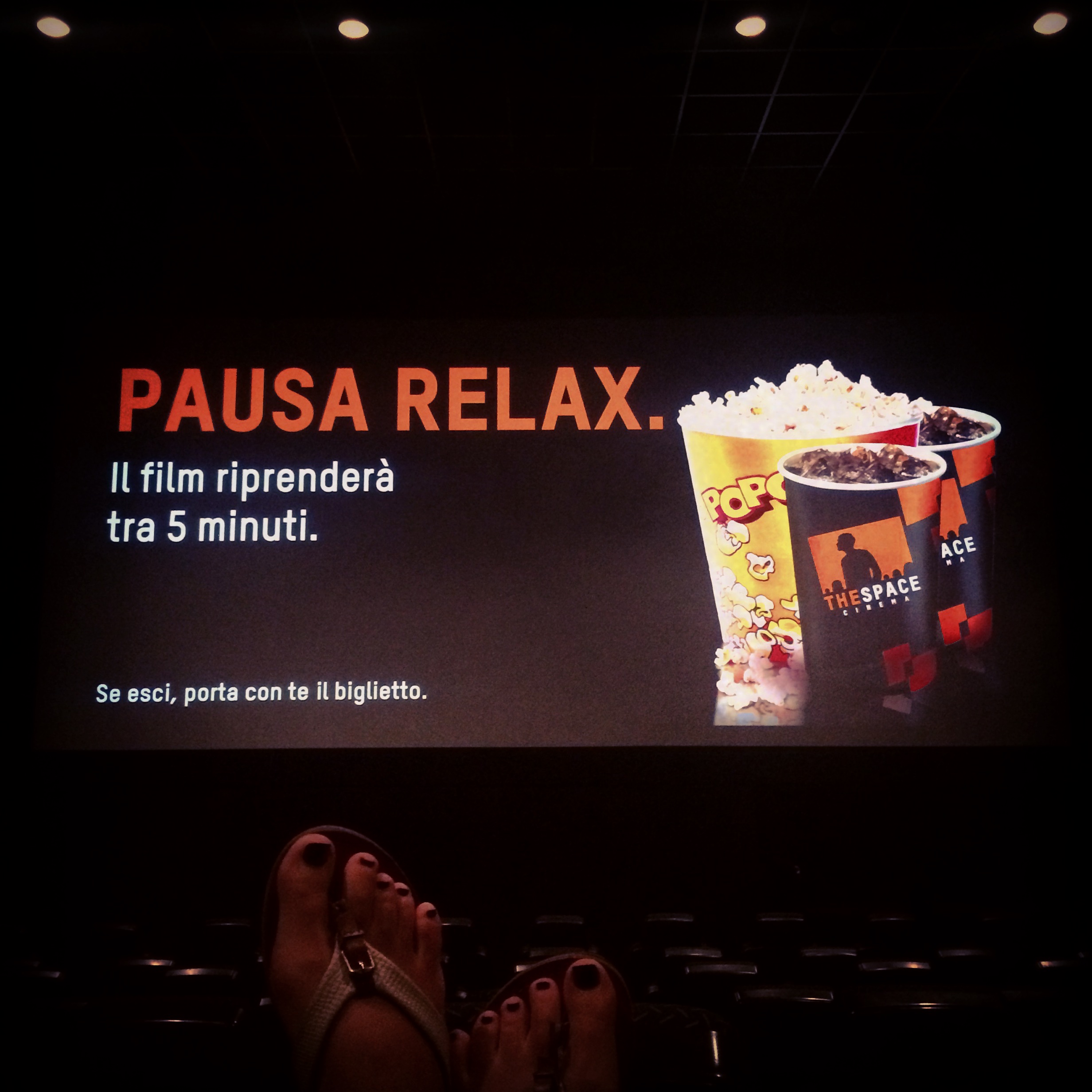
  • RELAXING: Italians relax. All stores close for a few hours in the afternoon, as workers are entitled to a real I can’t tell you how many times I walked a mile to the grocery store just to find it closed! That aside, Italians get way more vacation time a year than we do. Actually, European law mandates that every country offer at least four weeks of paid vacation. Italians work hard, but they take time to rest, reflect, and regroup, as well.. usually in the most incredible spots.
    • Note: they even take a break at the movies.Ā IMG_5980
  • PASSION: Italians are passionate in everything the do – in how they talk, how they love, how they fight, and how the feel in general. It’s so inspiring.
  • DRIVING: As I’ve written about before, Italians are psychotic on the road. I love it because I’m crazy, too (sorry Dad!), but most of my friends who visited hated it! They drive fast, tailgate hard, never use blinkers, and will pass you in risky situations – like, while scaling a mountain on the Amalfi coast with oncoming traffic quickly approaching risky. It’s absolutely thrilling B-)
  • CARE: Italians truly take care of each other: the sick, the elderly, the disabled.. and they respect each other. As far as I’ve seen, there’s no stigma on mental health in Italy like there is in the US – not even close!
  • SOCIALIZATION: Italians socialize and enjoy each other’s company, face-to-face and leisurely. They don’t take their coffee to go – they drink it at the bar. They seldom rush – even the trains take their time! They know there is more to life than working and running. The only time I’ve felt a sense of urgency in Italy was in the left lane on A13.
  • MARKETS: Italians shop at markets where you can find nearly anything you need. At least in the north, each town has its own market usually one morning per week. VV’s is on Monday and spans over several blocks, featuring clothes, food, accessories, dĆ©cor, household appliances, and even smaller furniture.. and it’s all cheap! I will miss those markets like crazy.
    • IMG_7714
  • RECYCLING: It seems as though recycling is HUGE in most of Italy, or at least up north. There are separate bins for paper, plastic, glass, regular garbage, etc. EVERYWHERE. They are hardcore recyclers!
  • POSING: Has anyone ever noticed that Italians don’t smile in pictures? At least not with their teeth. After some inquiring, I learned the consensus is that people look like bunnies when they smile with their teeth. I’ve yet to master the Italian photo pose, but practicing it continues to crack me up.
  • FOOD: I think it goes without saying that I’ll miss the food in Italy, but not only because of how delicious it is. I’ve eaten more here than I ever have at home, but my body is probably in the best shape it’s ever been (even better than when I was in my prime at a youthful 19). All 20 regions of Italy are against the cultivation of GMOs; the country is fiercely concerned with the quality of its products, and it shows. I’m eating a ton, but eating well and healthy. It also helps that Italians walk/cycle everywhere, and elevators are few and far between. Endless stairs, my butt thanks you. :-*

What I Won’t Miss:

  • LAUNDRY: I will not miss doing laundry in Italy even a little bit. Washing machines have literally 30 different settings on average, and dryers don’t exist. My balcony is covered and gets a limited amount of sun exposure, plus I live in a valley between the Dolomites so there’s always rain and humidity. My clothes, therefore, take days to dry; once the ~3 hour wash cycle is complete, I hang them outside and pray for good weather.
    • IMG_1131
    • IMG_1129
  • BUGS: Italians don’t put screens on their windows, so there are no bug barriers. This country is a jungle. When I first moved into my apartment, there were flies and spiders everywhere and I even had a lizard roommate. I put so much pesticide in this studio that I should be dead. However, I do admire how carefree Italians are when it comes to bugs; everyone just coexists.. I’ll be having a conversation with my landlord on our balcony and be cringing as gnats are swarming and she won’t even flinch. What are we so worried about, anyway?! (JK bugs, I’m still scared so please don’t follow me home)
    • Roomie:Ā IMG_8419
  • POST OFFICE: I’ve read horror stories about the Italian postal system, and they’re all f’ing true. First of all, as much as I’ve praised the Italians for not rushing, I’m all about tracking my packages online and impatiently awaiting their arrival. Tracking is unreliable and packages are not delivered if you aren’t home when carriers arrive. To pick them up, you have to go to the post office, pick a number (like when you’re at a deli), and wait to be called. Italians apparently take off work when they need to go to the post office because that’s how long the process takes. My first experience ended in being told I had to return the next day after waiting nearly two hours because my package was ā€œspecial.ā€ It was a book. 😐

A Dignified Life

Screen Shot 2014-10-16 at 5.37.23 PM

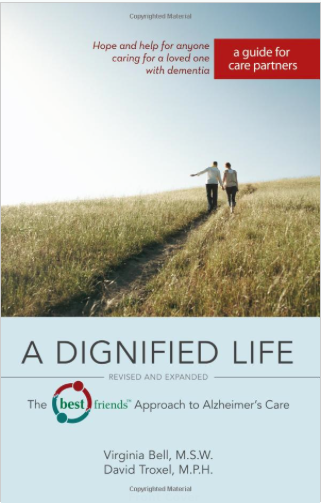
I am too in love with this book! A Dignified Life: The Best Friends Approach to Alzheimer’s Care is absolutely incredible. I must admit that I am biased, though, as its suggestions nearly mirror my own therapeutic approach toĀ geriatric caregiving. The authorsĀ describeĀ a refreshing, respectful, mutually beneficial caregiver/patient relationship that fosters trust andĀ relieves anxieties. Aside from being extremely well-written, its combination of anecdotes and recommendationsĀ offer hope and strengthen optimisim.

Making Out With Mr. Reaper

Born and raised in suburban New Jersey, I have never been familiar with or a fan of strenuous outdoor activities. I love any body of water, am a certified SCUBA diver, and have my boating license, but before traveling abroad I’d never stepped foot on a mountain or spent any considerable amount of time exercising outside. I don’t even like exercising inside, let alone in the woods – give me sand, but keep the grass.

Here in Italy, however, ā€œtrekkingā€ is huge. What exactly is trekking, though? I have always naively assumed it to be ā€œhiking,ā€ or walking briskly up a clearly defined, easily navigable trail to a viewpoint. Trekking attire, I’d imagined, consists of leggings, UnderArmour, and colorful sneakers. I often see Italians using sticks (?! canes maybe?! who knows), but figured perhaps those trekkers had equilibrium imbalances to begin with. I’m 26; I can trek without the stick.

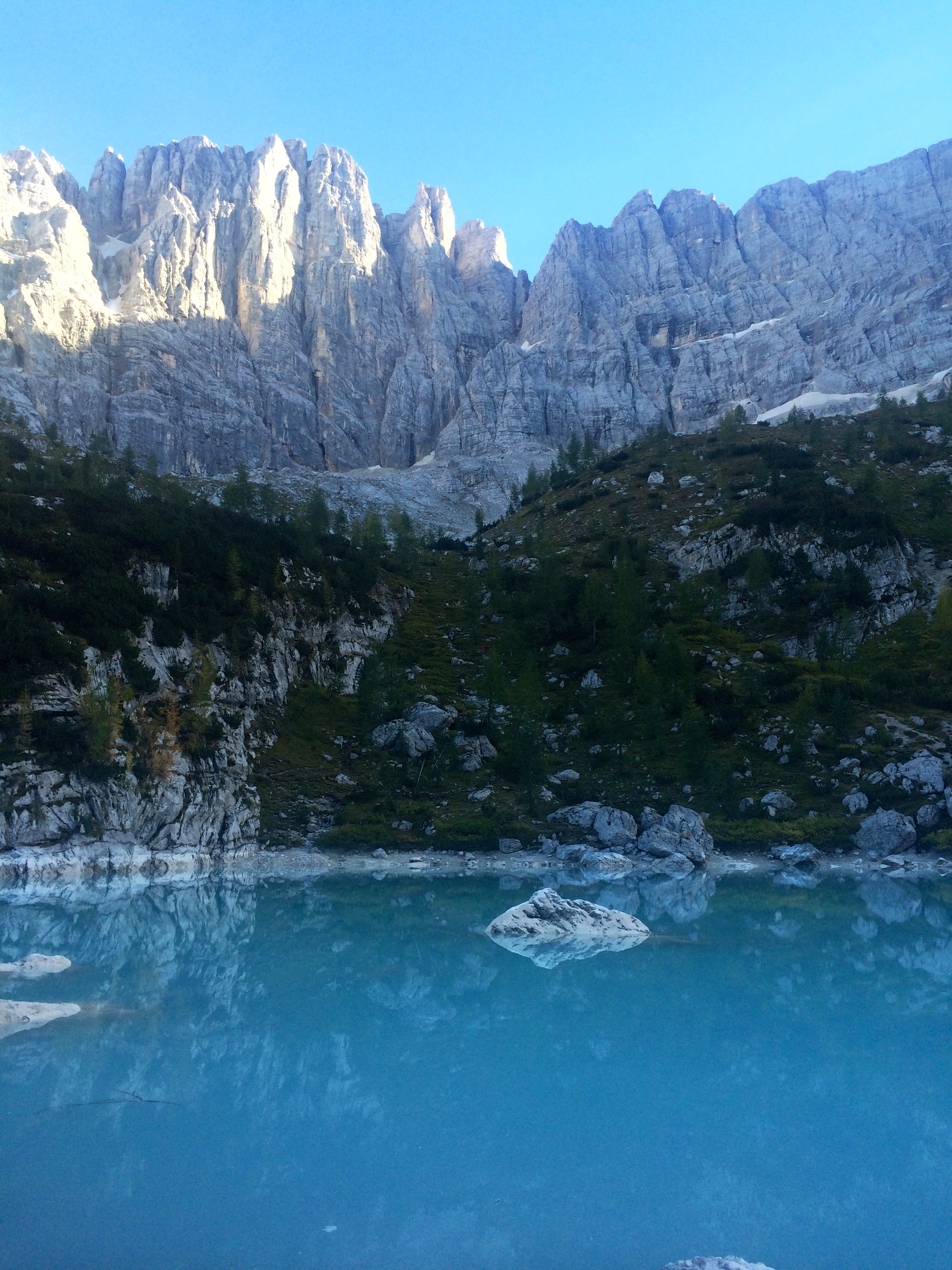
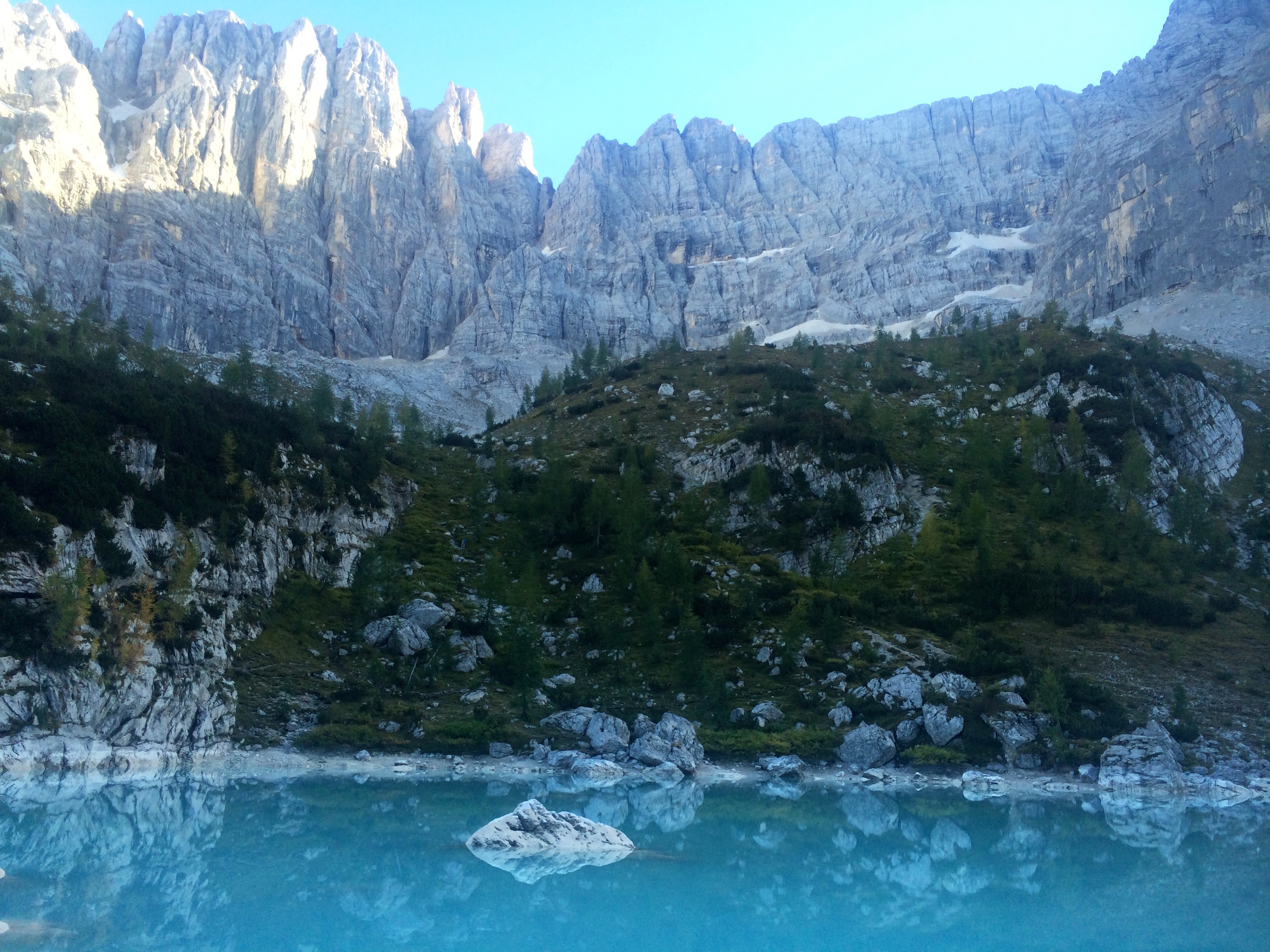
This past week, I learned the hard way what this trekking actually entails. After reading the few articles I could find about getting to Lake Sorapiss in the Dolomites, I excitedly told my friend Chrissy to pack sneakers for an easy walk to a beautiful hidden gem. Specifically, I referred to this excerpt on Dolomiti.it:

ā€œFrom Passo Tre Croci, 1,45 hours; sign n. 215: from the Passo go downhill, towards Misurina. Enter the comfortable road on the right that after few ups and downs will lead to the Rifugio Vandelli, and from here to the lake.ā€

Perfetto, facciamo cosƬ! It said it’d take an hour and 45 minutes, but we’re two young, relatively in-shape girls – we’d for sure make it in just over an hour. Should I even put my hair up? It sounds like I won’t even sweat…?

At Passo Tre Croci, we parked our Fiat500 and prepped for our adventure: I tied my neon pink Nike Shox and threw my coat in the back seat (it was sunny!), while Chrissy zipped her leather jacket and put some euros in her Chanel. We didn’t drink, we didn’t stretch, and we certainly did not pack supplies or carry sticks. We were ready! šŸ˜€

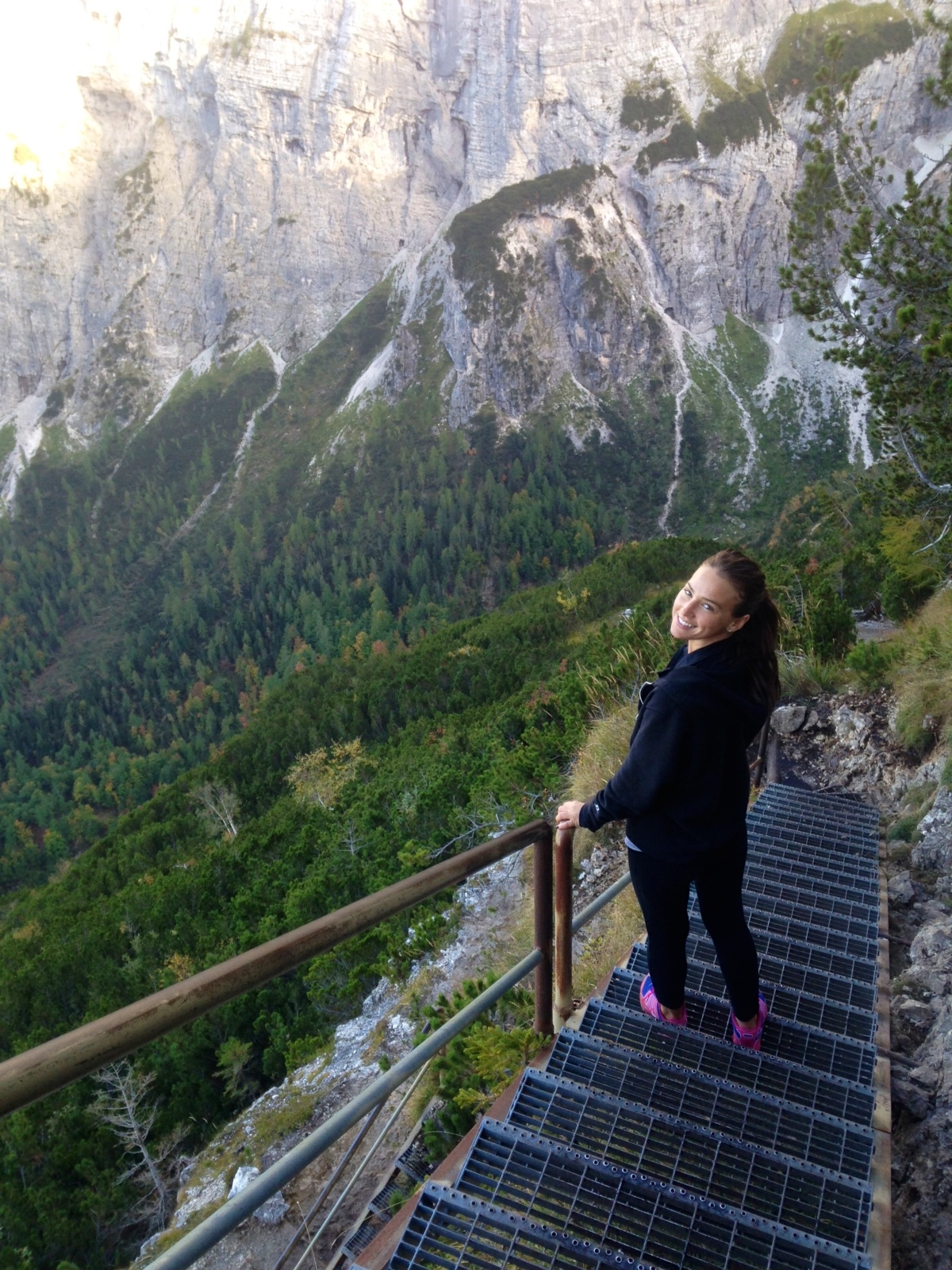
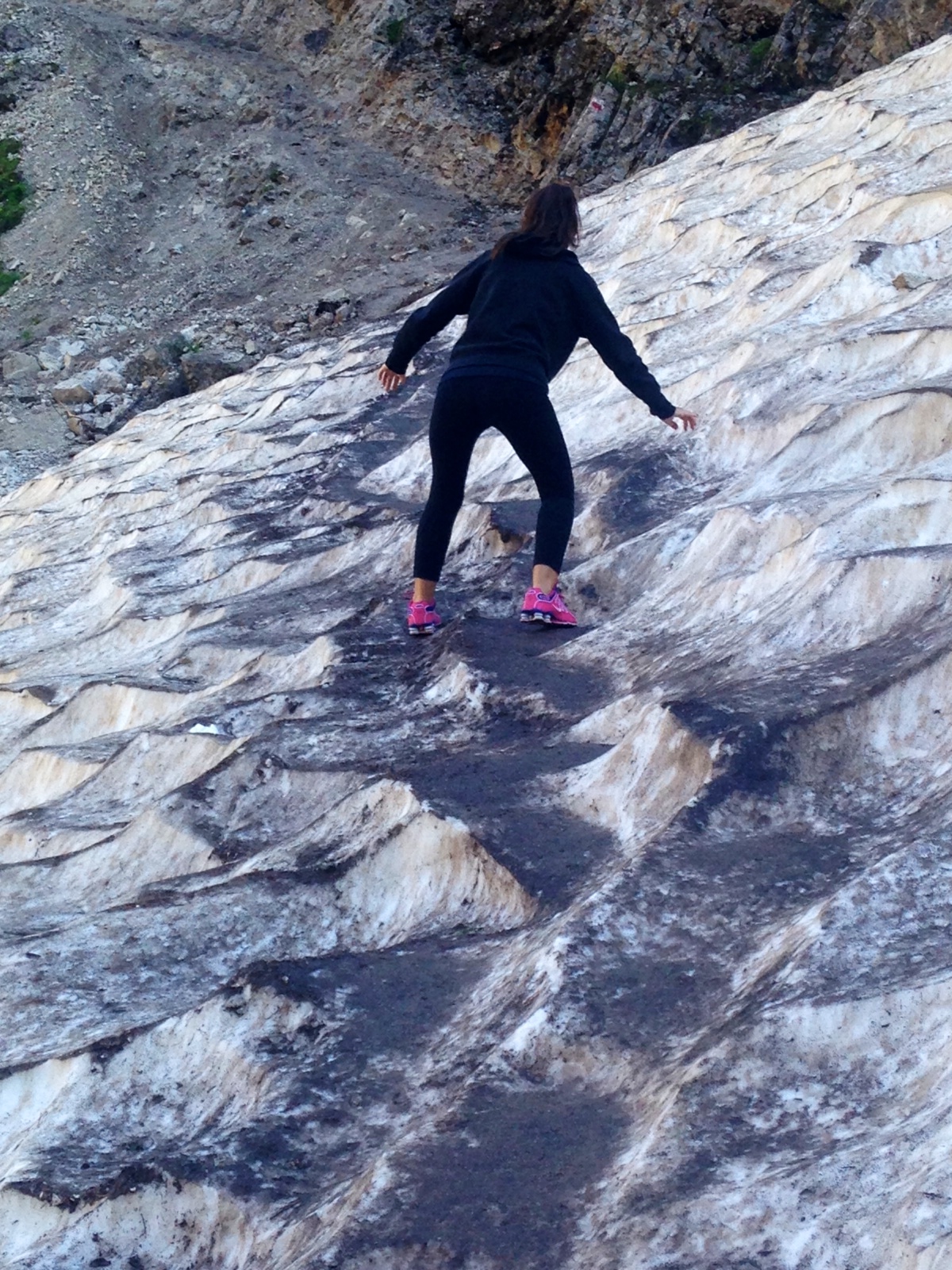
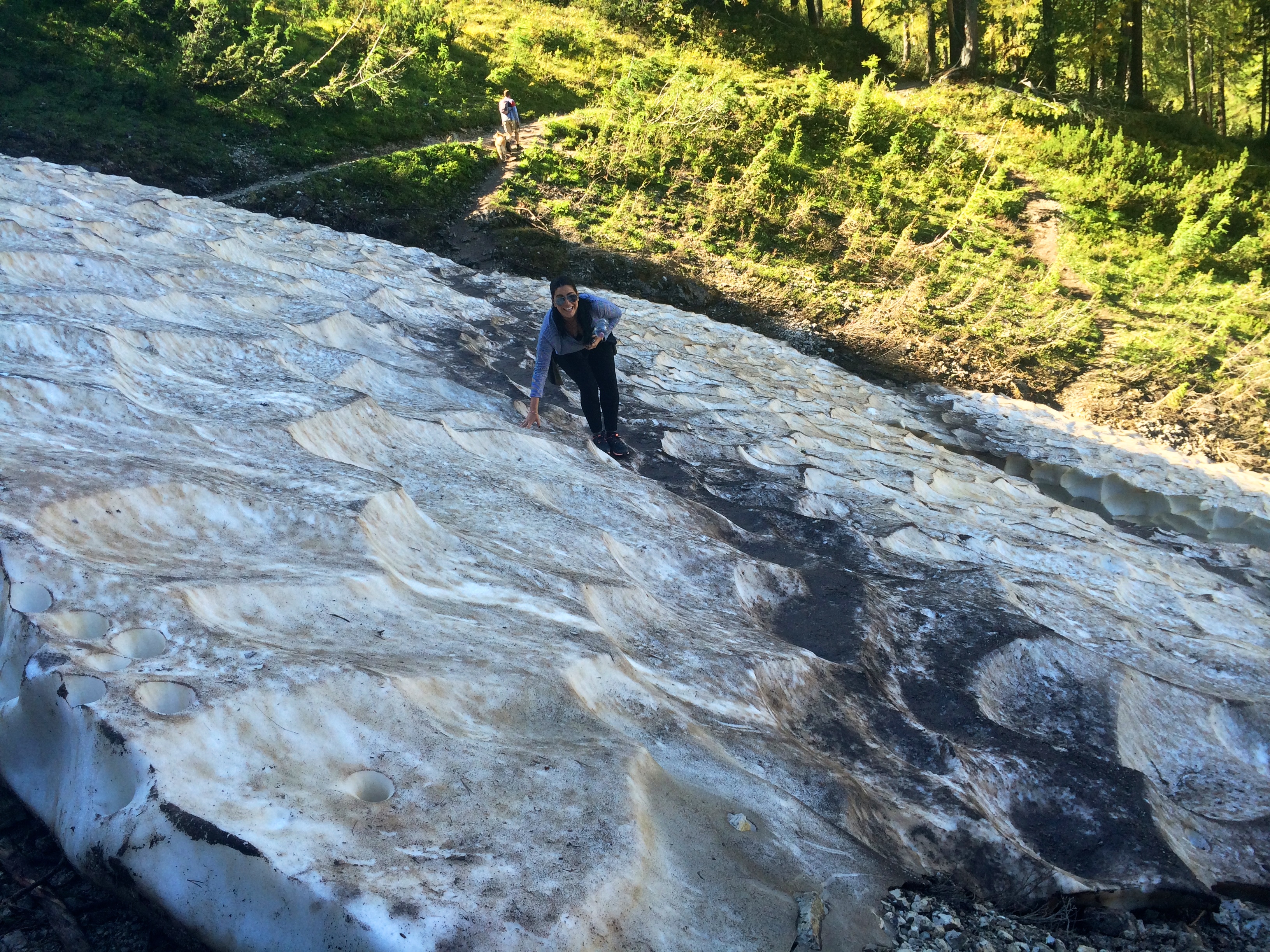
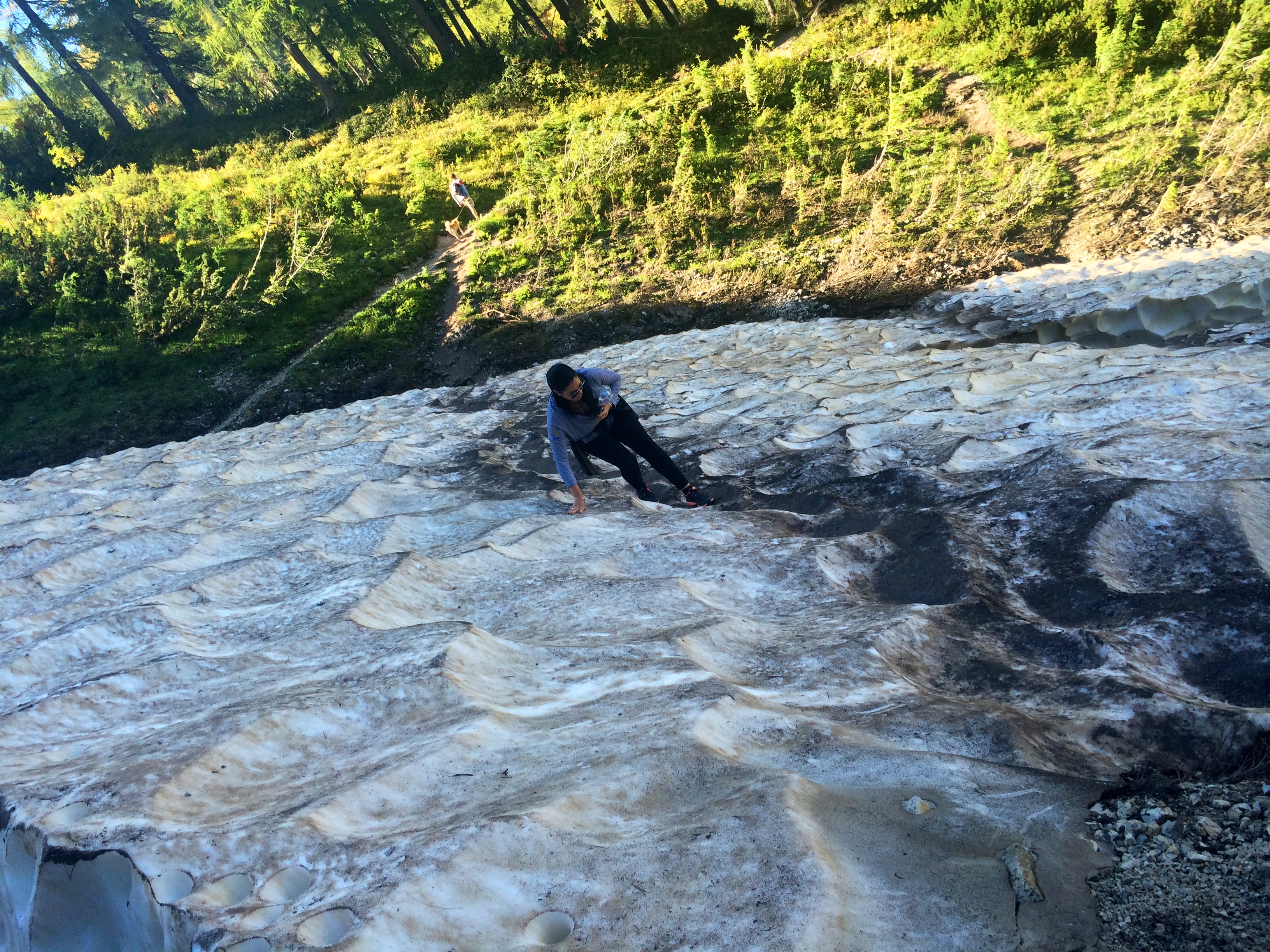
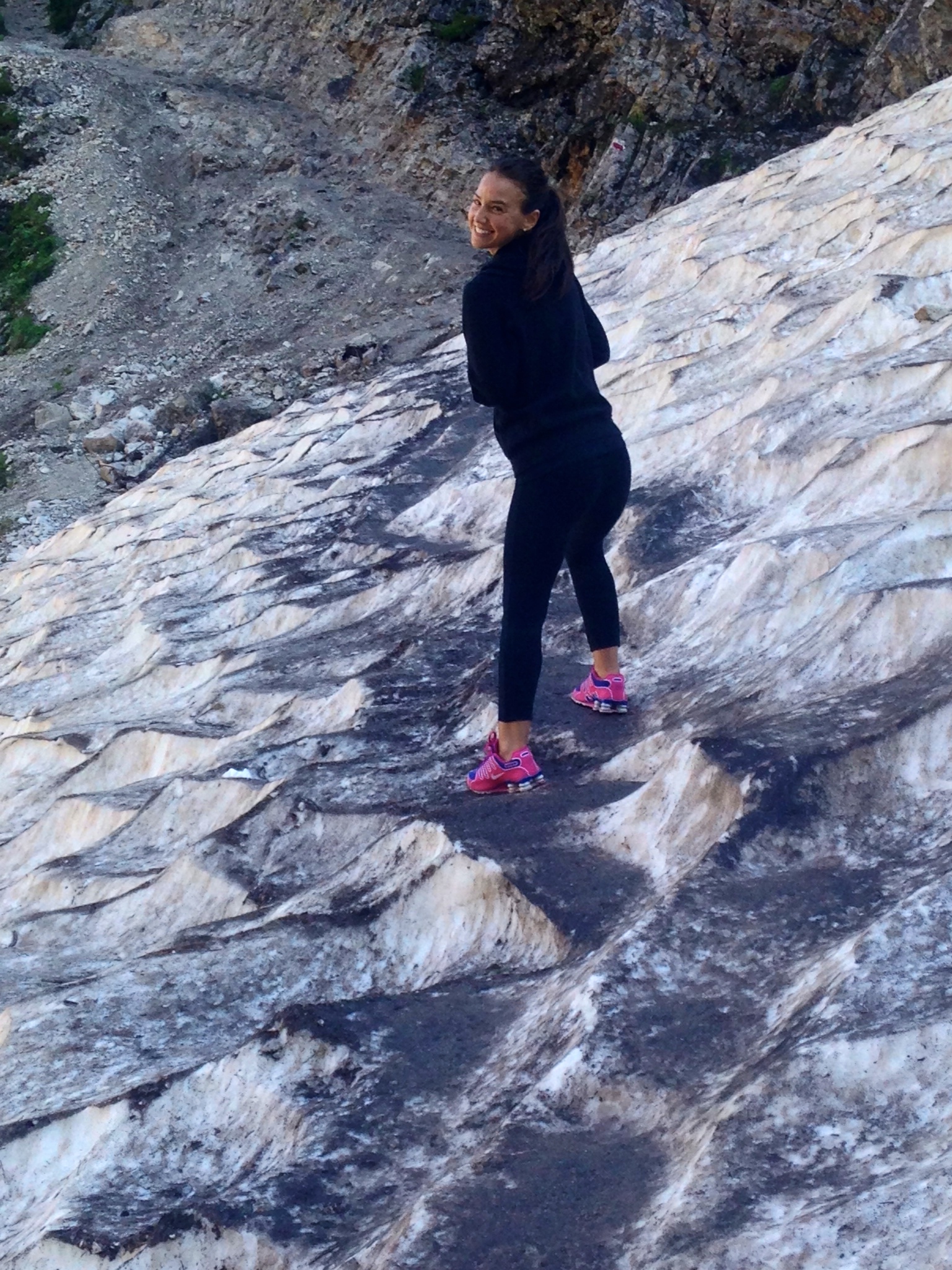
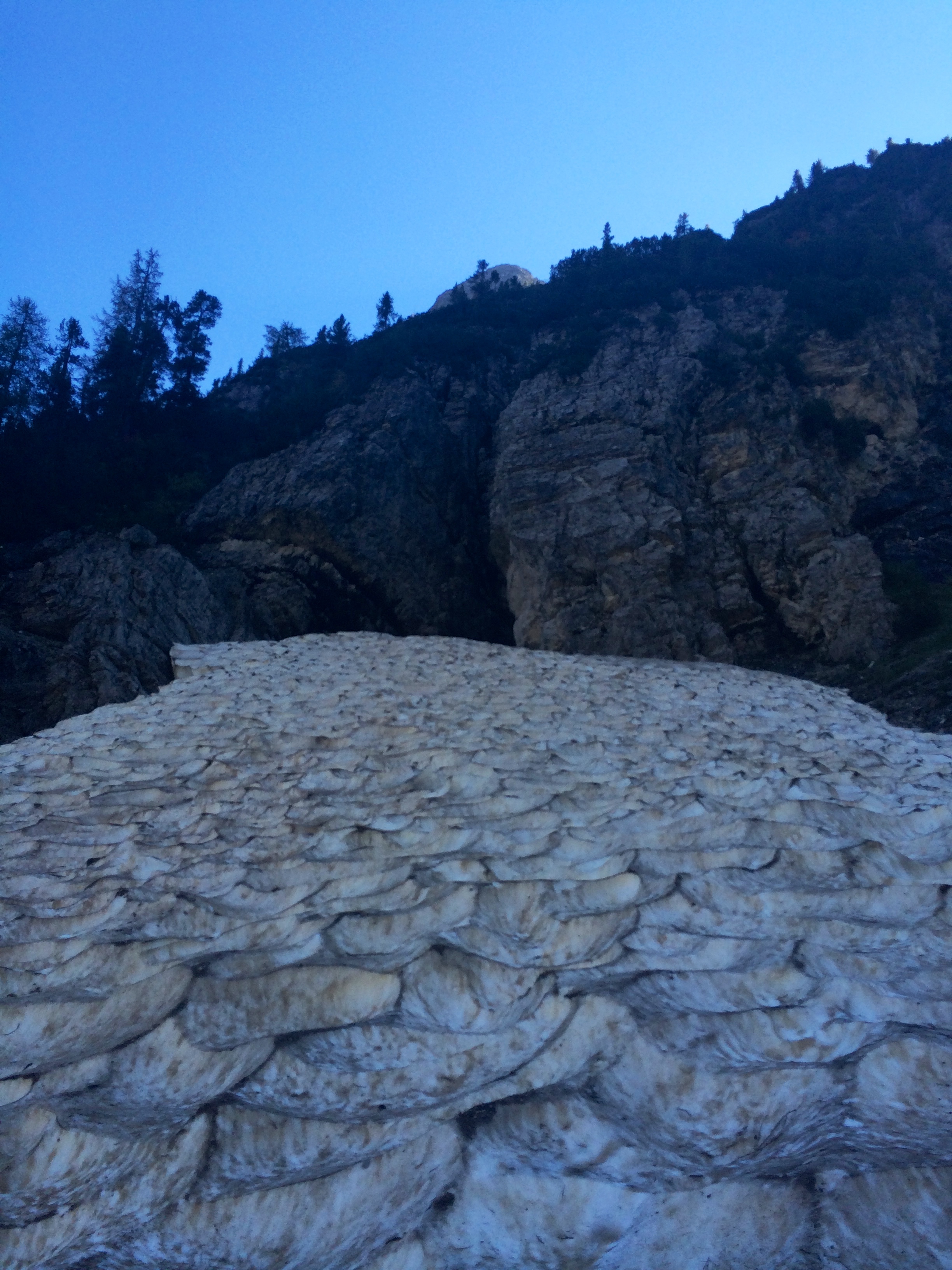
Long story short, the trek was an f’ing nightmare. We scaled the Dolomite mountains, climbed iron ladders, clutched steel ropes, and kissed death on the lips. None of that compares to the most terrifying part of our journey, though: WE CROSSED AN F’ING GLACIER. A glacier. Un ghiacciaio. A large body of ice moving slowly down a slope or valley or spreading outward on a land surface, according to Merriam Webster.

At first, we had no idea what it was. How beautiful! We’ve stumbled across some large white structure.. Maybe stone? Granite? We’re in the Dolomites, isn’t there lots of granite? Once we approached this gorgeousĀ mass and I was able to touch it, though, I realized it was a snowy, icy, slippery, freezing-cold glacier. How fun, we get to cross a glacier!!!

For those unfamiliar with glacier crossing techniques and equipment, this website serves as an incredibly helpful resource. Apparently, those sticks are useful, and my Shox are a joke when it comes to this kind of terrain. Glacier walks are extremely dangerous and require not only advanced equipment, but a certain degree of experience or, at minimum, an accompanying guide. Nevermind the initial peck on the lips – death’s tongue was down our throats.

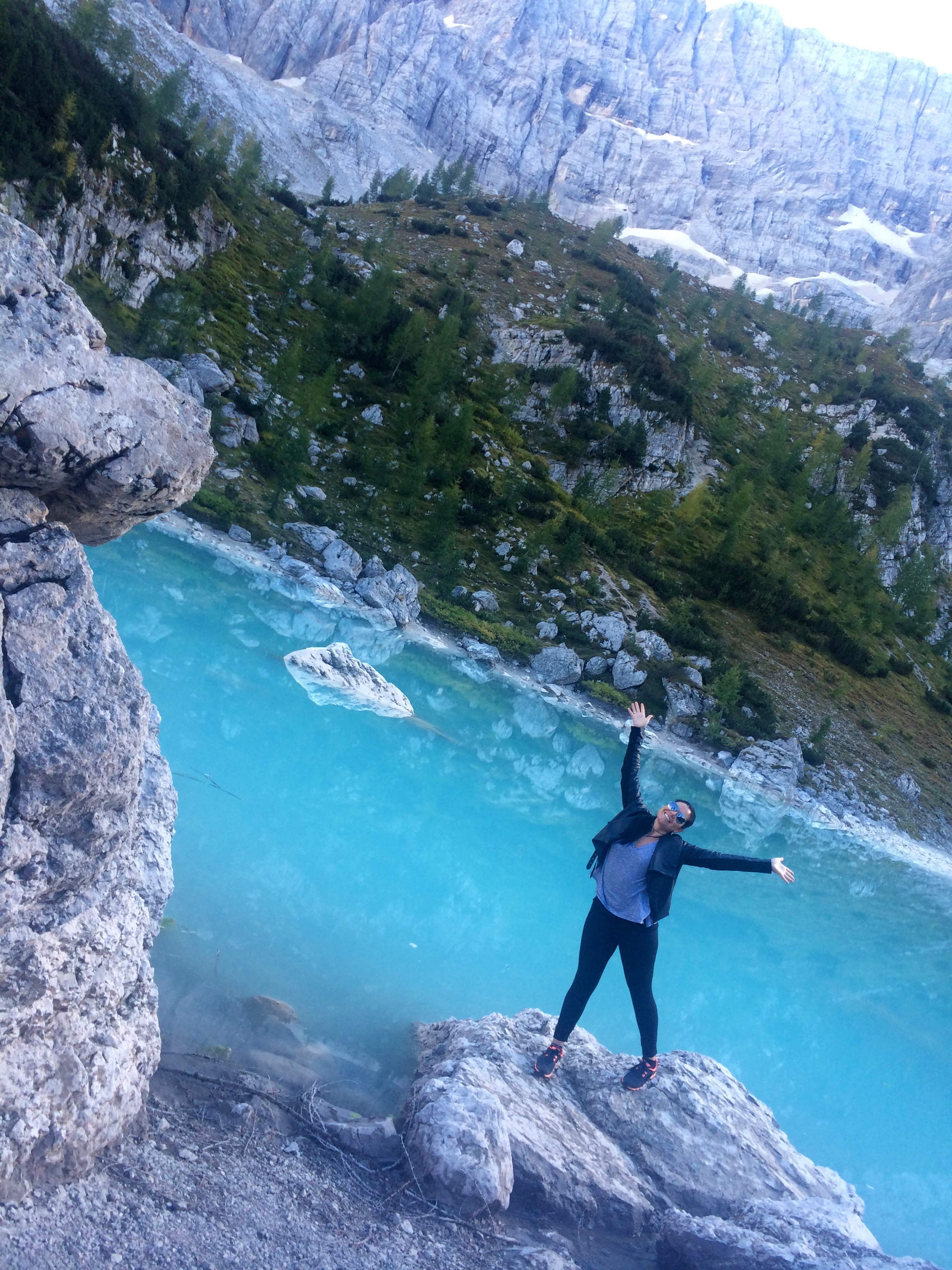
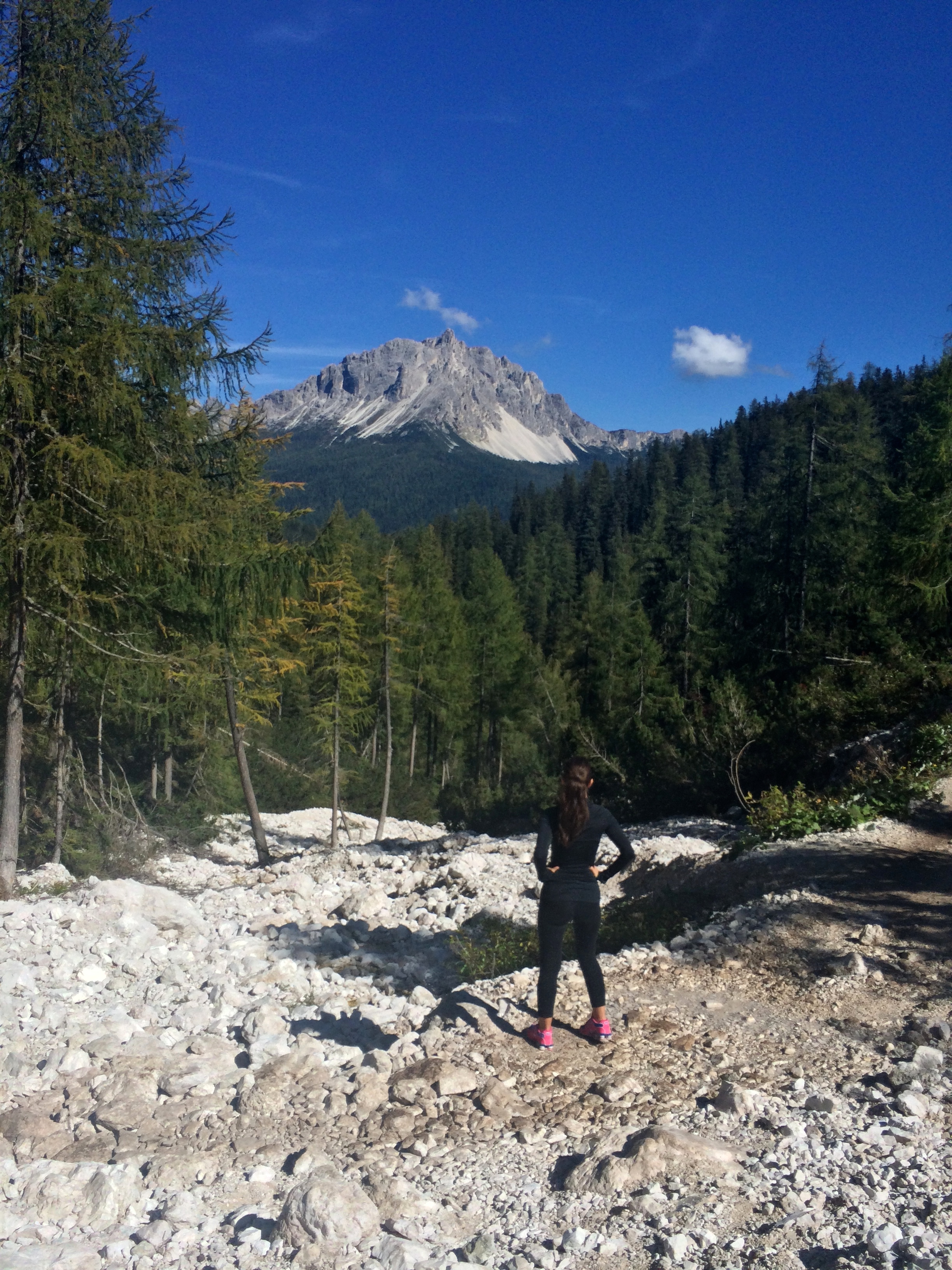
Three hours and two panic attacks later, we arrived at Lake Sorapiss, one of the most stunning natural phenomena I have ever seen IRL. We were able to have a quick coffee at Rifugio Vandelli before hurriedly beginning our trek back to Passo Tre Croci to beat the sunset. I will refrain from describing our return trip over il ghiacciaio, as I’m truthfully not ready to revisit it. Let’s just say that if it’s soon announced that either of us is knocked up, we know who the father is: Mr. Grim Reaper himself.

All of that being said, Sorapiss is totally worth it.. as long as you are not a member of my family or a friend who’d like me to join you. In any other case, go for it! Just please, for the love of God our Savior, bring a stick.

IMG_0556

IMG_0552

IMG_0533

IMG_0428

IMG_0417

IMG_0409

IMG_0551

IMG_0258

IMG_0260

IMG_0546

IMG_0241

IMG_0235

In Love and War

As two weeks of playing tour guide to friends winds down, I finally have some time to sit and reflect on what’s gone on lately. It was brought to my attention that an American movie was filmed in my tiny town of Vittorio Veneto in the 1990s, so I of course had to immediately rent it on iTunes. In Love and War takes place during the First World War and documents Ernest Hemingway’s experiences as a Red Cross volunteer. Apparently, he was injured and fell in love with one of his nurses during recovery. Their relationship unfortunately did not work out ( why couldn’t the movie just pretend?! 😦 ), and it is said that Hemingway remained forever heartbroken over his first love, Agnes von Kurowsky.

The film is so incredibly cool to watch because I live in the heart of its setting and it hasn’t changed a bit. Being a historic town, VV looks as though it did during both World Wars (or at least extremely close to it). After playing In Love and War on repeat and sulking about the breakup, I began researching ā€œErnieā€ and pulling together some of my favorite quotes of his.

ā€œThere is nothing else than now. There is neither yesterday, certainly, nor is there any tomorrow. How old must you be before you know that? There is only now, and if now is only two days, then two days is your life and everything in it will be in proportion. This is how you live a life in two days. And if you stop complaining and asking for what you never will get, you will have a good life. A good life is not measured by any biblical span.ā€ – found in For Whom the Bell Tolls

ā€œTry to learn to breathe deeply, to really taste food when you eat, and when you sleep, to really sleep. Try as much as possible to be wholly alive with all your might, and when you laugh, laugh like hell. And when you get angry, get good & angry. Try to be alive. You will be dead soon enough.ā€

ā€œOut of all the things you could not have, there were some things that you could have.. & one of those was to know when you were happy, and to enjoy all of it while it was there and it was good.ā€

ā€œLife is unpredictable; it changes with the seasons.Ā Even your coldest winter happens for the best of reasons.Ā And though it feels eternal, like all you’ll ever do is freeze,Ā I promise spring is coming, and with it brand new leaves.ā€

ā€œYou talk like a timetable. Did you have any beautiful adventures?ā€ – found in A Farewell to Arms

ā€œWorry a little bit every day and in a lifetime you will lose a couple of years. If something is wrong, fix it if you can. But train yourself not to worry. Worry never fixes anything.ā€

ā€œI can’t stand to think my life is going so fast and I’m not really living it.ā€ – found in The Sun Also Rises

ā€œLive the full life of the mind, exhilarated by new ideas, intoxicated by the romance of the unusual.ā€

As I’m sure is apparent, the excerpts I’ve shared are all related in that they have to do with living and appreciating life. Hemingway, though perhaps broken and in pain (he married four times and eventually took his own life), certainly offered great advice about living. In the scheme of things, our time on Earth is so excruciatingly short.. to worry serves no purpose, to wait is ludicrous, and to simply exist is one of the saddest ways to spend your days.

Surviving Alzheimer’s

Screen Shot 2014-09-17 at 9.12.03 AM

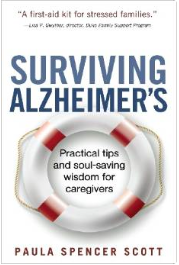
I’ve quoted a lot of Paula Spencer Scott, so it’s about time I review her book Surviving Alzheimer’s: Practical Tips and Soul-Saving Wisdom for Caregivers. The advice included in this helpful paperback draw from various sources in the field, as well as from personal experience. Despite a good amount of spelling/grammatical errors and a messy layout that can be a bit all ā€œover the place,ā€ it’s definitely been a helpful resource. Find it on Amazon here.

No Prescription Necessary

Although I’ve been here for nearly two months, most of my friends still crack jokes about the ā€œworkā€ I’m doing (or lack thereof). They affectionately laugh at how when I cry my eyes out on my last day, the patients will have no clue who I am or how long I’ve been with them. How much of an impact can I really have on those suffering from this disease while I’m here in Italy? Even my former boss, whom I admire, adore, and miss every day, asked before I left, ā€œWon’t they just come up with a pill for that eventually?ā€ My efforts, though maybe not entirely useless, couldn’t possibly make any lasting impressions or meaningful advancements.

I can’t blame them. Our world today revolves around pills, no matter the method of obtainment or administration; the stigma is on counseling, not prescriptions. ā€œAfter all, you don’t go to the doctor for advice, you go to the doctor for a pill. Roots, fruits, and exercise don’t cure diseases – pills do. If you are sad and don’t want to be, take a pill. If you want to be happier, take a pill, or quicker yet, snort one, or the quickest of all is to inject it right into a vein. Pills, pills, pills.ā€ Dr. Taylor’s sadly right.

Believe me, I’m not anti-meds – I have ovarian cysts and I’d sell my soul for a painkiller if I didn’t have one on me during a rupture (TMI?!). To have a pill that would reverse or halt the effects of Alzheimer’s would be beyond incredible, but for now it simply doesn’t exist. Discovering some miracle tablet isn’t that simple, either:

ā€œThe truth is that we do not know nearly as much as we think we do about how and why the ā€˜normal’ brain works. We have some ideas. We have some tests. We have some medications that seem to change behavior by changing the chemistry in the brain. How or why they work is, again, a matter of speculation. We don’t fully understand the chemistry in the first place. How can we figure out what is wrong when we can’t explain what is right?ā€ – Dr. Taylor

According to Paula Spencer Scott, ā€œIt’s been 10 years since the newest FDA drug was approved. Even current medications for memory are modest in their impact.ā€ She points out, however, that socialization is treatment for Alzheimer’s disease:

ā€œBoredom is the enemy. If nothing is going on, it often leads to the challenging behaviors that we see – agitation, aggression, crying, wandering.ā€

I can’t offer a magic pill, but I can provide companionship. I can foster intimacy, closeness, and comfort. We are social by nature, and it is essential for human beings to regularly experience emotional intimacy in order to develop and maintain good mental health. Though of course to only a certain degree, I can empathetically cross the border into Alzheimer’s land:

ā€œWhen people are very old and deteriorated, no one enters their world – they’re often just sitting there. They will withdraw inward more and more, their desperate need for connection all inside. Here’s a person who has worked his or her whole life, contributing their whole life, who needs that connection again to feel a sense of worth. They’re longing for closeness.

Validation is a way of communicating with very old people who have Alzheimer’s-type dementia. It restores a feeling of dignity and self worth. It’s a way of being with them, feeling what they feel. You pick up their emotions and reflect them back. People who are validated feel safe.ā€ –Naomi Feil

When I laugh with my friends at my own expense, I’m comforted in the fact that I see improvements every single day. Even if you think you’re not making an impact, you are. Don’t ever feel as though your presence, forgotten or not, doesn’t matter. The mood boost of having seen you can in and of itself be huge; ā€œyour loved one may not know why she feels happy (from seeing you) but she does. Your presence is cheering, comforting, and de-stressing. A rose is still a rose, and smells as sweet, even if you don’t know what that pretty pink fragrant thing that cheers you up is called.ā€ – Paula Spencer Scott

Conversational in Italian, Fluent in Pavarotti

Ā  Ā  Ā Since I recently left the kennel ( </3 ), I’ve decided to update my resume to be sure it’s reflective of where I’m at now. I have a ā€œSkillsā€ section at the bottom where I mention that I’m ā€œConversational in Italian,ā€ and I’m impatiently waiting for the day that I can confidently change it to ā€œFluent.ā€ I probably have a solid 10 years before I’m close, so Conversational is staying for now. I am, however, tempted to include ā€œFluent in Pavarottiā€ below my subpar Italian skills, and I have my loves and this trip to thank for that.

Ā Ā Ā Ā  According to Paula Spencer Scott:

ā€œThe arts have an amazing power to reach people with dementia. When rational language begins to erode, symbolic emotional communication remains. That is what art is, symbolic emotional communication – sharing a vision of the world through gestures, words, sounds, images. Shared communication of any kind can bring people suffering from loneliness and isolation into community.ā€

Ā Ā Ā Ā  She goes on to specify that ā€œlyrics can stay in the brain even after language skills are lost; music can be a real source of joy.ā€ How nuts, right?! We’ve all of course experienced this to some degree – an old favorite pops up on shuffle and we’re able to excitedly recite every word. Songs often evoke memories, too. I always make playlists for my trips so that when I’m home, I can be reminded of that vacation and how it made me feel.

If it hasn’t been apparent already, I truly value and appreciate what Dr. Taylor writes in his essays (being that he is battling Alzheimer’s himself):

ā€œSinging something, anything, from children’s songs to hymns, from the Hallelujah Chorus from Handel’s Messiah (I can still recall the first note for tenors) to any and all Beatles songs, helps me feel that I am feeling okay and, in fact, good.ā€

Ā Ā Ā Ā  It’s no secret that music is an incredible therapeutic tool. My only dilemma initially was that I am not, in fact, a ninety-something year old nonna; I didn’t grow up here, I understand next to nothing when I hear different dialects, and the closest thing I’m familiar with to an old Italian song is ā€œDominick the Donkey.ā€ While my site doesn’t offer formal music therapy, a few patients are avid (and loud) singers. I began to decipher as much of what they were belting out as I could, then searched Google for the rest of the lyrics and to find the title. The clouds parted and God presented Luciano Pavarotti, one of the most successful operatic tenors of all time. Thankfully for me, he’s covered almost every top hit amongst my audience.

Our day to day has changed. While not a music therapist, I am a self-proclaimed Pavarotti cover artist and enthusiast. My laptop speakers blare songs with all their might, andĀ Ā  w eĀ Ā  g oĀ Ā  n u t s; we f’ing scream those lyrics, thanks in part to the advice of Dr. Taylor:

ā€œIt is best to sing out loud and loudly. Thinking about singing is like thinking about sex. It is much, much more satisfying if done with all of your body instead of just between your ears. It is much, much more satisfying if others can and do join in.ā€

Ā Ā Ā Ā  What has this incorporation of music done besides wake our neighbors? It’s allowed us to let loose, have fun, and simply enjoy each other. A loud singer is a lot less aggravating to others if they themselves have joined in too. It has also, and most importantly, facilitated communication and elevated mood. There are nonnas who I actually believed to be unable to speak that have since blossomed into some of the most caring, outgoing, and affectionate patients that I have the pleasure of loving every day. One in particular hadn’t smiled or spoken once in the weeks that I’d known her; I had ignorantly assumed her to be either shy or too far cognitively impaired to converse. She is one of my most passionate (and vocal!) back-up singers today, and she does not stop hugging, kissing, or smiling.

I cannot forget my nonnos, some of whom can often be particularly cranky (am I the only person who adores cranky old men?!). One of my favorites enjoys sharing stories about his hometown (my Roma ā¤ ) but becomes more forgetful and likely disinterested when in an unfavorable mood. Though not a singer himself, after our concerts he is without fail more cheerful and able to recall that which he had difficulty remembering only hours before. It is truly remarkable what music can do. Grazie Pavarotti ā¤

*note: our favĀ https://www.youtube.com/watch?v=UNmT7UswM7E